Be in the know about Peripheral Arterial Disease
September is Peripheral Arterial Disease (PAD) Awareness Month, and according to the CardioVascular Coalition, PAD affects about 18 million people in the US.1 So, what exactly is PAD?
PAD is a common circulatory condition that affects the blood vessels outside of the heart and brain. It is usually caused by atherosclerosis, a disease in which arteries become narrow and restrict blood flow to the body’s limbs due to the buildup of plaque and scar tissue. If left untreated, this condition can cause difficulty walking and even gangrene, and can lead to leg amputation.
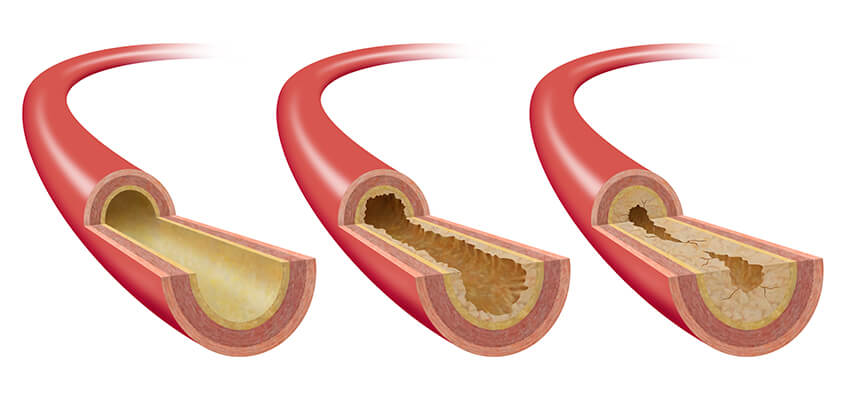
What causes PAD?
There are a number of factors that can contribute to atherosclerosis and PAD. However, the primary causes include smoking, diabetes, advanced age, high blood pressure, high cholesterol, coronary artery disease, lack of exercise, and genetics.
What are the symptoms?
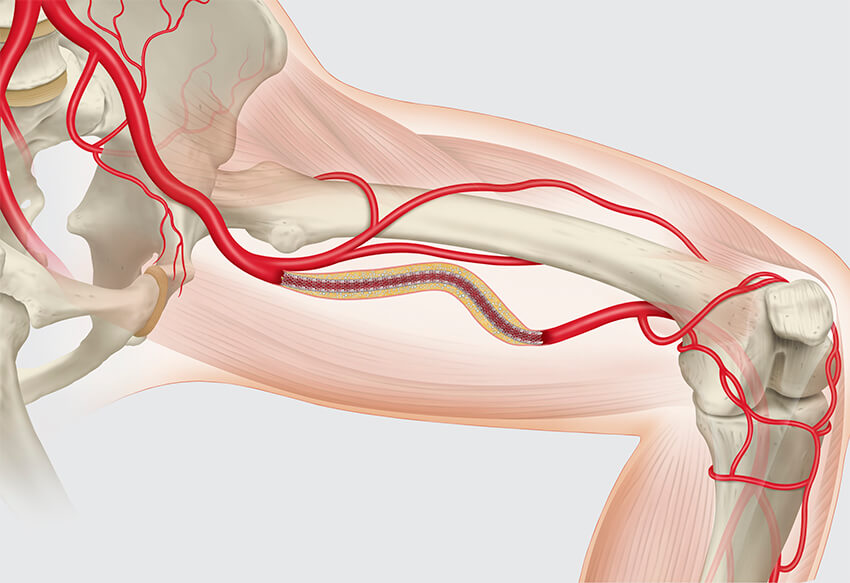
The symptoms of PAD include:
- Pain or cramping in the thigh, calf, or hip, especially during exercise
- Numbness or weakness in the legs
- Weak or absent pulse in the legs or feet
- Sores on the legs, feet, or toes that will not heal
- Pale or bluish skin color
- Coldness in the lower legs or feet
- Poor toenail growth
- Decreased hair growth on the legs
- Shiny skin on the legs or feet
How is it diagnosed?
Anyone with an increased risk or who is experiencing symptoms of PAD should contact their physician. The physician can then perform an ankle-brachial index (ABI) test. This simple, noninvasive test determines whether the blood vessels in the legs are narrowed or blocked by comparing the systolic blood pressure in each ankle to that in each arm.
How can it be treated?
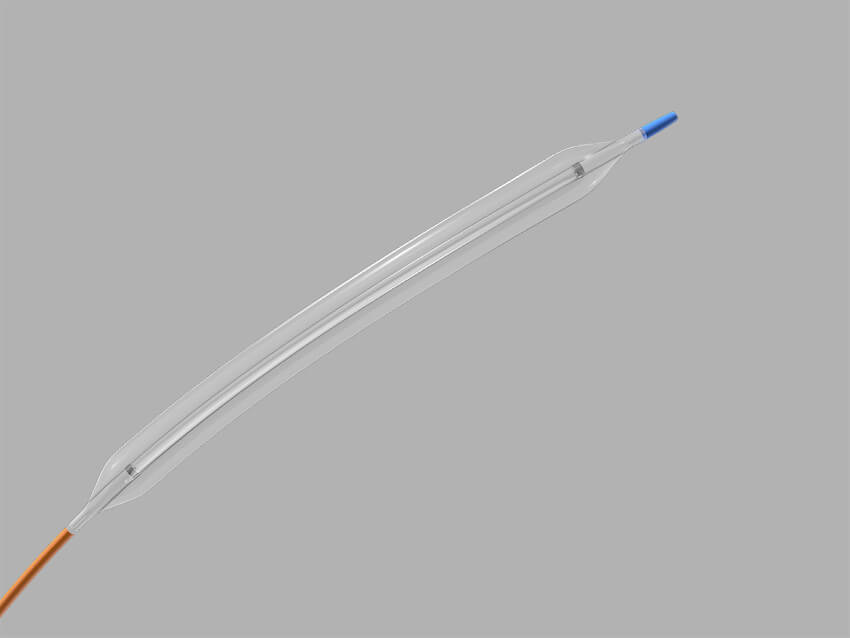
PAD can be treated by using very small balloons to widen the diseased area of the artery or tiny stents to prop the artery open to increase blood flow. Did you know that Cook makes several products that are used in treating PAD? Here are some of them:
- Advance®18LP Low-Profile PTA Balloon Dilatation Catheter (PTA4)
- Advance®35 LP Low-Profile PTA Balloon Dilatation Catheter (PTA5)
- CXI® Support Catheter (CXI)
- EchoTip® needles
- Flexor® technology guiding sheaths (KSAW)
- HiWire® Hydrophilic Wire Guide (HW)
- Micropuncture® Access Sets (MPIS)
- Zilver® PTX® Drug-Eluting Peripheral Stent (ZISV6)
The below animation shows the deployment of the Zilver® PTX® Drug-Eluting Peripheral Stent (ZISV6).
Thank you for sharing. It was very informative and interesting.
Fantastic article! If only our medical professionals (Family physicians) had or took the time to review with their patients during their early years as one of the greatest impacts for future health conditions.
Thank you for sharing to the masses.
What an amazing video . It makes the hair on my head stand straight up, I feel like I’m in the room that it is happening in. What great things we do here for our patients and customers. It’s also good to know that if I ever need the products that we make they are available and they are the BEST> THANK-YOU>>>>>
Thanks for sharing. My old mother suffers from PAD and unfortunately it came too late to be diagnosed so that it could be properly treated. Now she has a difficult healing ischemic ulcer due to this. This reminds me of the need for cholesterol therapy.
Interesting article, thanks for sharing
A great article and very informative for all, especially for non clinical employees! A great reminder of what we are about, diverses and patients. Love it and thanks a bunch!!