Over a decade of helping patients in need
Cook Biotech’s Director of Medical Education & Clinical Research helps women in Uganda
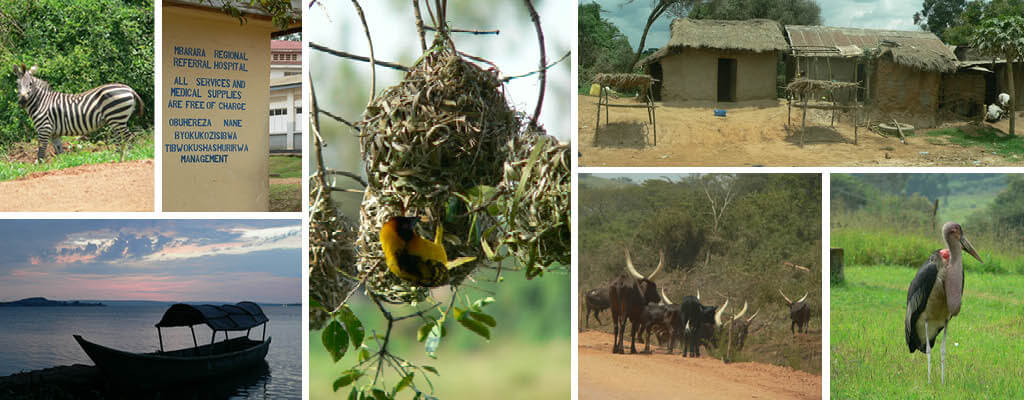
After almost 24 hours of traveling and a few quick stretches, Jay Hodde stepped off the plane in Uganda, Africa, and was immediately surrounded by the intense heat and humidity of the night.
“The smell of dampness mixes with the chemical smell of burning gasoline as we walk to the car for the short trip to our local guest house. As I inhale deeply, it evokes in me the memory of all of my previous trips where we have helped women in need. I’m back home again on some level, and ready to set forth on our mission to help others,” Jay wrote in a series of personal blog posts about Uganda.
Even after all the flying and layovers from the day, sleep seems elusive.
“Imagine the cacophony of wilderness sounds,” Jay described, “Myriads of birds, monkeys, frogs, crickets, and the like, all sounding forth their voices in the arranged orchestra that is the rain forest. As we crack open the bedroom window and listen to the music, we drift off into sleep.”
Helping to heal
Every year for the past 13 years, Jay, director of medical education and clinical research at Cook Biotech, has gone to Mbarara in Western Uganda to help women suffering from fistulas. In a country where around half of women don’t give birth in a hospital, fistulas are the frequent result of prolonged, obstructed labor that sometimes lasts for days.
A fistula has dire repercussions for a woman living in Uganda. A fistula causes incontinence (a lack of control over urination and defecation) and pain, but the consequences are worse than just the debilitating physical symptoms. A fistula means shame and often leads to divorce and complete isolation from society. Without surgical repair, women are abandoned to live in neglect and poverty. They must be strong to survive complete ostracization from their community.
The team’s mission
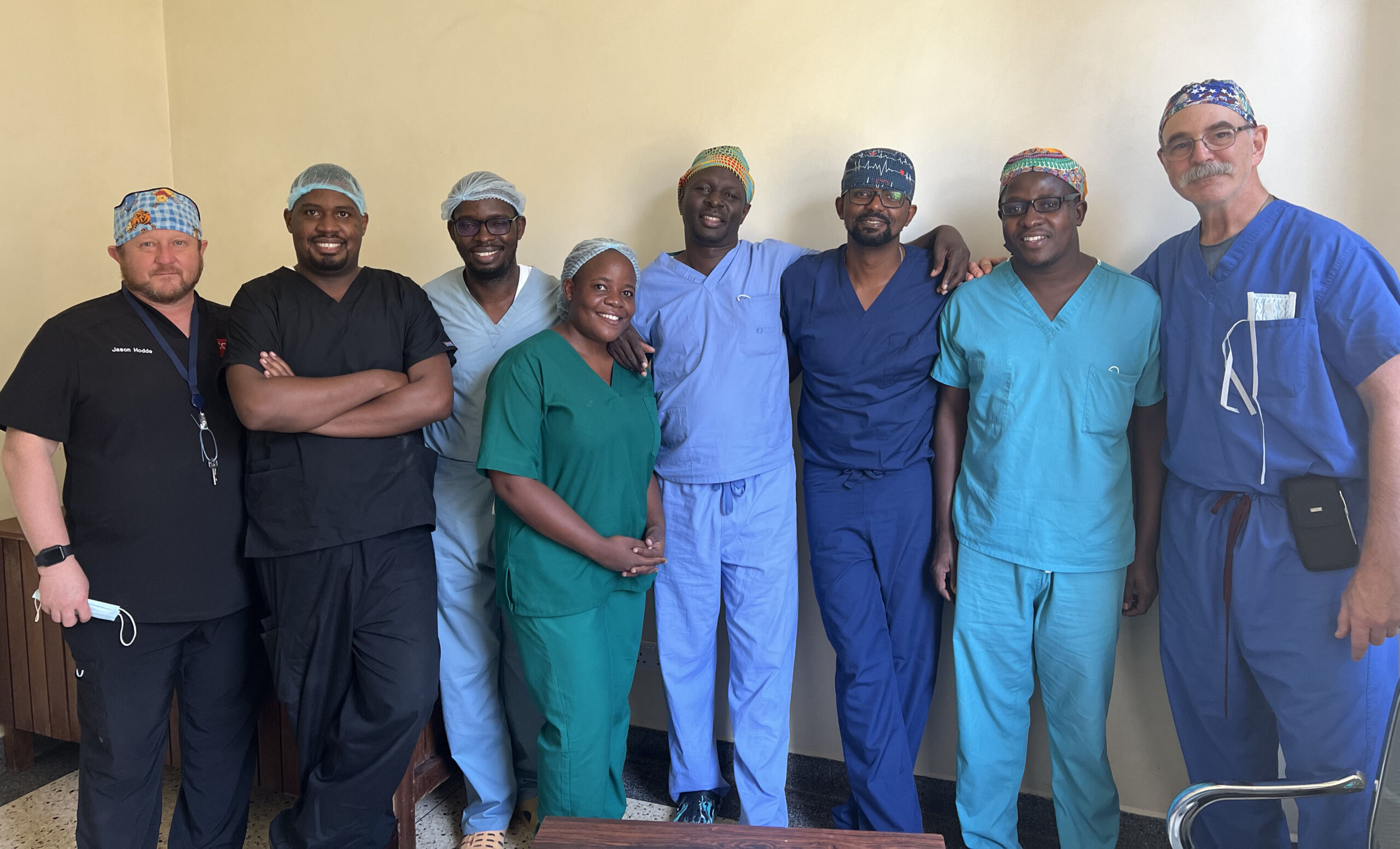
Jay travels to Uganda with MedLend, a US non-profit organization, and its California-based surgical team. They bring the people, equipment, and drugs needed to perform the surgeries. Cook Biotech and Cook Medical have donated supplies to this cause every year.
The team’s overall focus is to treat women suffering from birth fistulas, but the mission is more than just fistula repair. The MedLend team also trains Ugandan doctors at the local medical school to perform fistula repair themselves. In fact, the MedLend team has helped train all the doctors who currently do fistula repair in the country, including doctors who now run fistula-repair training programs for surgeons working in remote villages throughout East Africa. Now that there are Ugandan doctors who can perform these procedures, Jay and the team focus on some of the more complicated cases when they go to Uganda.
Overcoming challenges
This year’s 2022 team included six volunteers who worked with the local team to treat 36 women over five days.
While the patients trust the team, they also have a local ambassador who serves as an advocate for them and can speak and explain the procedures, treatment, and aftercare. Uganda has over 40 local languages, and while English is common in larger towns, many villagers speak only their local language and can’t communicate outside of their area. When language issues arise, ambassadors and the local nurses help bridge that gap.
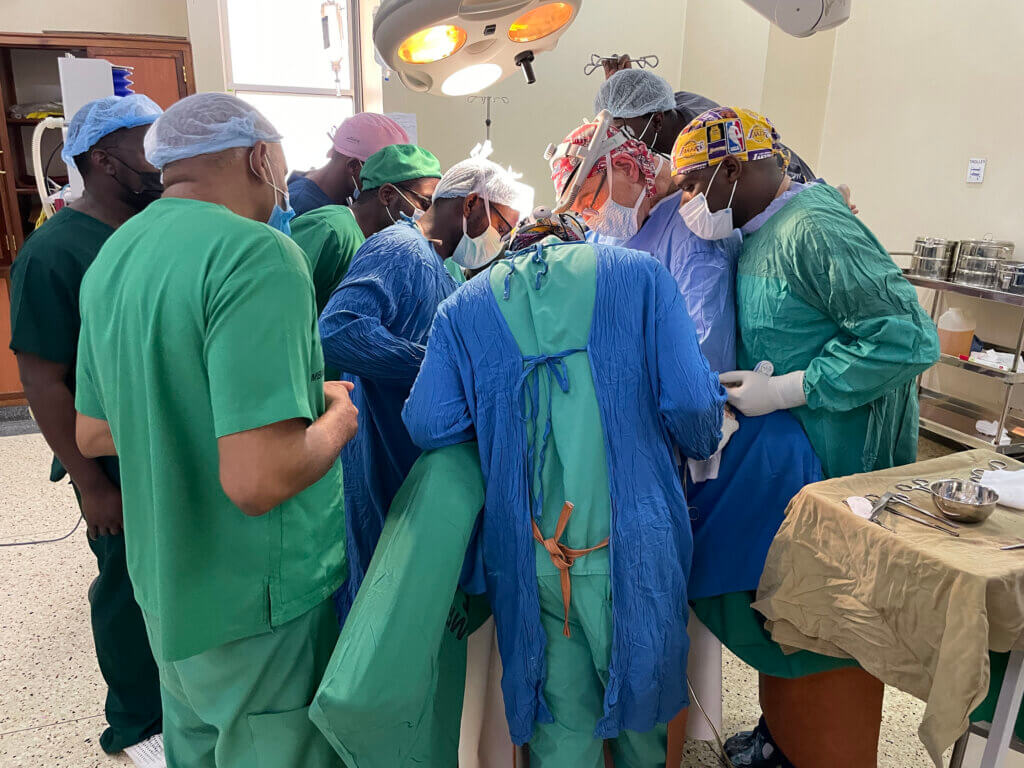
Sometimes working conditions bring unexpected challenges, and the team must adapt to help as many women as possible during the short time they are there. The team always has a shortage of supplies, but they never know what those shortages will be until they get to the hospital. They also have to adapt to working with inconsistent electricity, intermittent running water, and the lack of air conditioning, all of which make efficient surgical care difficult to achieve.
Running the camp
Before the team’s arrival in Uganda, the hospital helps spread awareness about the upcoming fistula camp by sharing the news on the morning radio. Women come from all over western Uganda, the Congo, and South Sudan, and may walk miles to bus stations before arriving at the hospital. They are brought to a waiting room to rest.
Due to the severity of their untreated health issues, the waiting room often fills with a strong smell of urine and feces. Many of the women are in dire need of help.
When Jay and the MedLend team arrive at the hospital, they spend their time evaluating everyone who has come for assistance. From there, they schedule operations, plan treatments, and work to help as many patients as they can. During the trip, the team stays busy. In addition to fistula repairs, they often assist with cesarean sections and other complex cases including stress urinary incontinence, rectal prolapse, perineal tears, and cancerous masses. For Jay and the team, there is never a slow day of work here.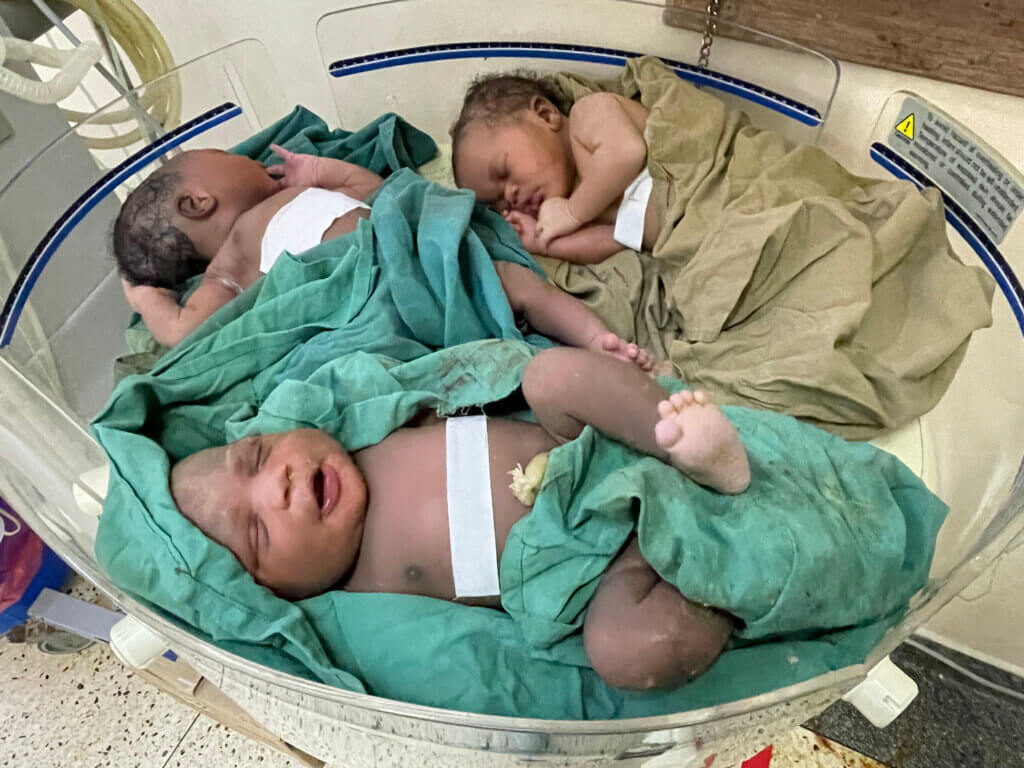
Sending girls to school
One of the struggles Jay has witnessed during his travels to Uganda is the inaccessibility of education, especially for young girls. Most kids drop out of school because their families don’t have the funds to pay for schooling, so the ones who are in the best position to succeed in society. For girls especially, education is often essential to their survival.
For every year of education that a girl in Uganda receives after the third grade, she has one fewer child. In a society where the average woman has seven children, often several too many for them to care for with the means that they have, education is extremely important to the integrity of the family and for the development of the country.
Jay and the MedLend team have helped sponsor students and have even helped one girl attend school for over a decade.
“Her education will help her to succeed,” Jay said. “I have watched her blossom into a strong, confident young woman who will stand up to those who try to oppress her.”
Making a difference
With difficulties around almost every corner, why does the team keep going back under such intense and adverse circumstances?
If you ask Jay, he’ll tell you that it’s the gratitude the women express, even when their cases are so complicated that there’s nothing the team can do to help them. They are so grateful that there are people trying to make their lives better.
“I’ve had friends back home tell me that what we are doing here really doesn’t make much of a difference and that for every kid we put through school or for every fistula we treat, there are more kids who don’t have an education and there are a hundred more women with fistulas. While that may be true, we’ve certainly made a difference over the years,” Jay added. “There are societal issues here that we can’t fix with a short fistula camp, but we’ve certainly made a difference in the lives of a few women and in the life of a young girl who may, one day, grow up to change the world. Isn’t that worth it?”
For more stories
Amazing work! Thank you for making a difference!
Incredible work. Such an important and impactful effort.
Excellent photography as well.
What a wonderful story! Thank you Jay and all the volunteers for making a difference.
Thank you Jay for making a difference.
Thank you for all that has been achieved and will be in the future.. What a blessing, helping others believe there are people who care and want to help are still around. You make that difference.
Great sacrifice thank you to you all.
A wonderful initiative. Thank you Jay and team..
Jay, you are an inspiration.
Great story.. Thank you Jay and Team!!
Jay-Thank you for all your work over the years in Uganda. I’ve laughed with my kids over the saying, “How do you eat a hippopotamus? One bite at a time”. Thank you for taking this time to take a bite out these challenges and MAKING A Difference, one life at a time. If your ever interested in taking an extra volunteer, count me in! Great work!!!
Thank you Jay, Cook Biotech, and the dozens of volunteers who continue to support this effort year after year. It does make a positive impact!