25 years of excellence
Cook Biotech celebrates their 25th anniversary
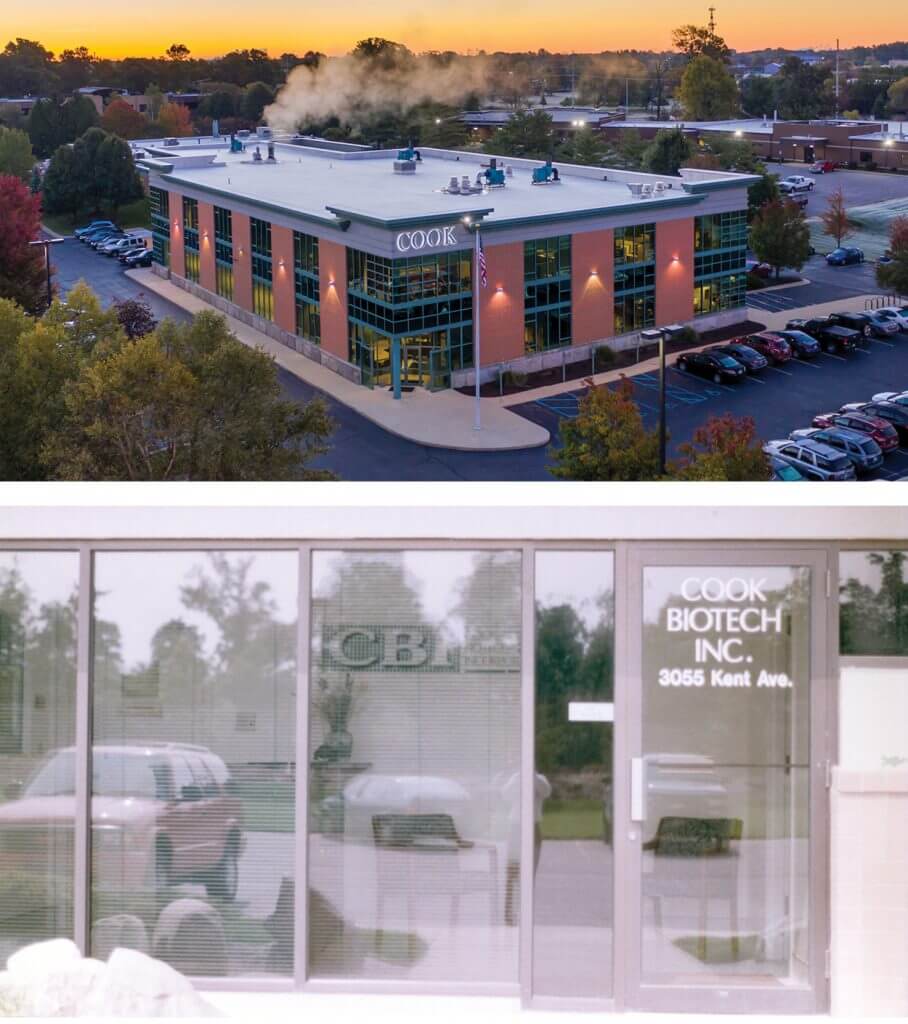
Written by Jon Hancuff, manager, global Editorial Content for Corporate Marketing and Communications
In our early history, Cook was known as a company that manufactured and sold high-quality needles, catheters and wire guides. As the field of interventional medicine evolved, so did the sophistication of our devices to meet the needs of the clinical community. During the 1990s and 2000s, Cook’s product portfolio advanced even more with the introduction of many new offerings, including revolutionary coronary stents, stent grafts, antibiotic impregnated central venous catheters, and a whole new arena of device development with the creation of Cook Biotech Inc.
Looking back
Biotech was founded in 1995, but its roots can actually be traced back to 1987 to the Purdue University lab of the legendary Leslie Geddes in West Lafayette, Indiana. Geddes, a professor of biomedical engineering, was intrigued by the clot-resisting capabilities of the small intestine. His thinking was that tissue from the small intestine of animals could be used as a vascular graft.
The attempts were initially unsuccessful, though. The graft failed because the enzymes in the tissue—the same enzymes used to digest food in the small intestine—caused a breakdown of the graft attachment.
Geddes decided to dig deeper—literally. He stripped away the small intestine’s internal mucosa and external muscular layers, leaving the submucosa—the small intestinal submucosa (SIS), to be exact.
It worked.
Further testing not only reinforced the initial results, it showed that SIS, best harvested from pigs, was even more versatile than first believed. It would remodel into the vascular tissue to which it was attached, was highly resistant to infection, was incredibly strong for its thickness, and could be used in almost any part of the body, from the Achilles tendon to the abdominal wall to dermal (skin) wounds—even across species!
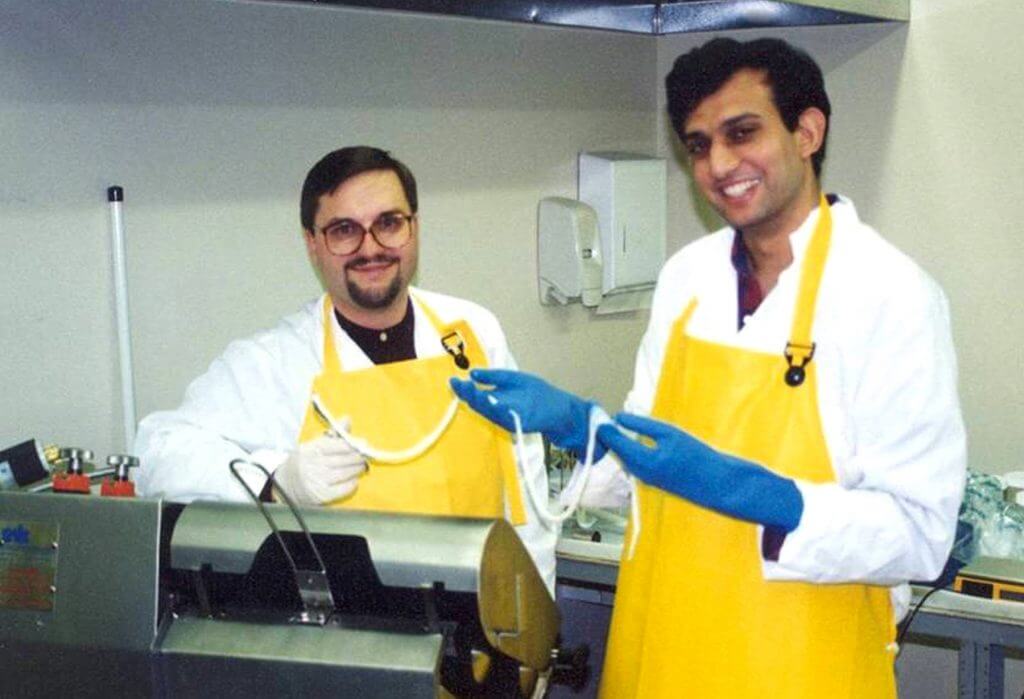
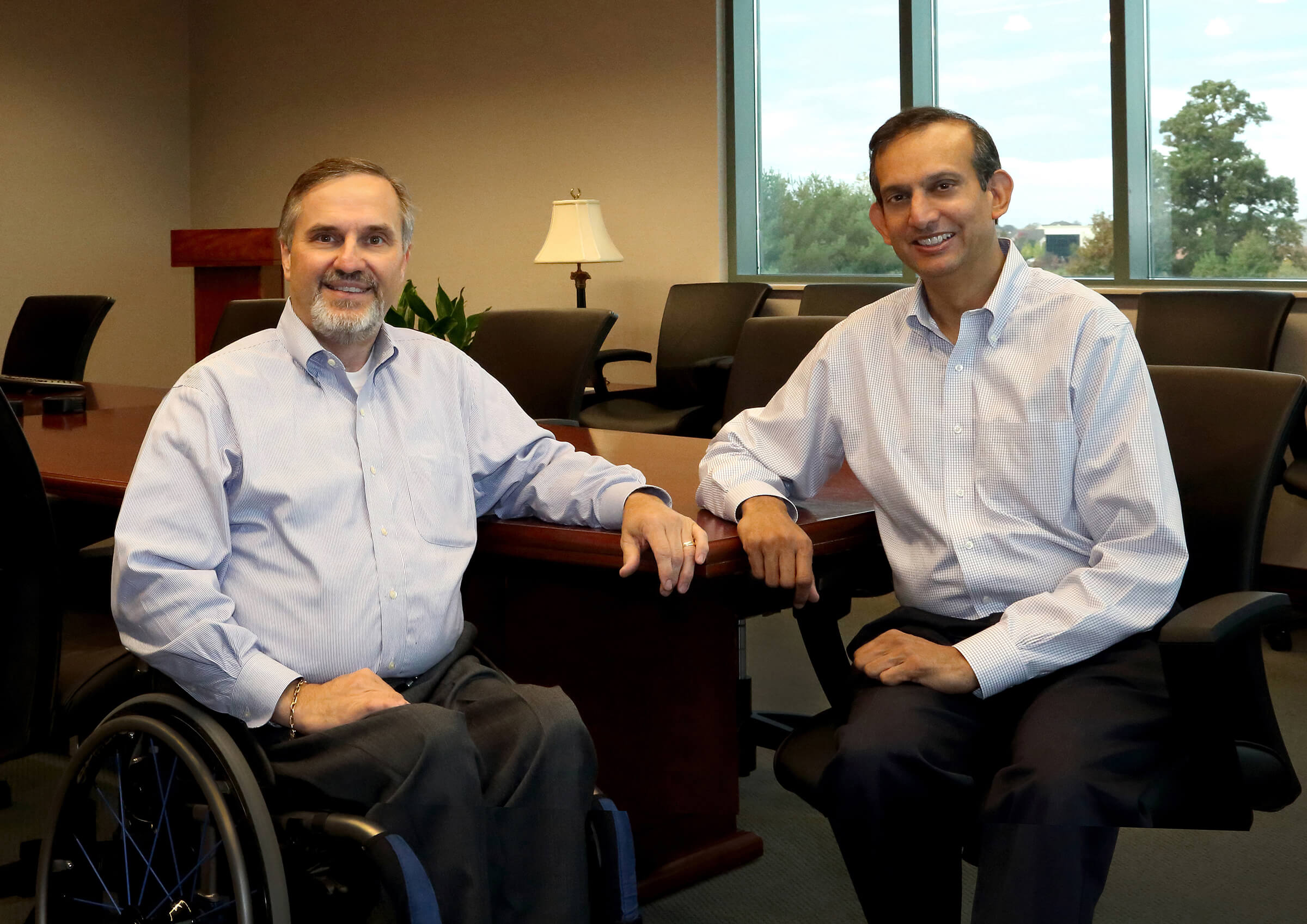
In 1995, Purdue had licensed the use of SIS to three companies—one company for orthopedic purposes, one company for hernia repair, and the third company, Cook, for all other applications of the material. The early days of Cook Biotech were led by MED Institute’s Neal Fearnot. The new company’s first employees were Drs. Michael Hiles and Umesh Patel, who, as graduate students in the Purdue Hillenbrand Biomedical Engineering Center, had played instrumental roles in the discovery of and subsequent research into SIS, including into many aspects of processing and designing prototype devices.
“This is the most exciting technology I have seen in years,” said Bill Cook, in a 1996 Angiogram article. “We’ve got two of the best scientists in the field working on it. This is biomedical work at its best.”
In that same article, Hiles expressed his own excitement for the future.
“It’s going to be a fascinating journey, and I really believe that one day patients will benefit from the work we’re doing now at Cook Biotech,” Hiles said.
Moving forward
Beginning in 1996, SIS began to be sold for research investigations and veterinary uses. In 1997, the first US Food and Drug Administration (FDA) 510k clearance applications were submitted for SIS as an advanced wound care device (wound matrix) and for hernia repair. The following year, SIS was cleared by the FDA for those two applications, as well as for, “soft-tissue” reinforcement. Soft tissue includes muscles, tendons, ligaments, fascia, nerves, fibrous tissues, fat, blood vessels, and synovial membranes (the connective tissue that lines the cavities of joints, tendon sheaths, and bursae, which are the fluid-filled sacs between tendons and bones).
SIS was first marketed under the name “Oasis®” for the treatment of dermal wounds and was sold by Cook Urological. Physicians could order single or double layers of the product, which was lyophilized (freeze-dried), in a variety of sizes.
For soft-tissue reinforcement and hernia repair applications, a single-layer sheet of SIS was marketed under the name “Surgisis®” beginning in 1999. Later, the four-layer Surgisis® ES (extra strength) was added. Also, that year, a 510k was received for additional urological applications—including a urethral sling.
As Biotech entered the 21st century, it struck a deal with the hernia licensee to get back the rights to hernia repair and began to manufacture larger and stronger sheets of SIS. The new eight-layer version, which had a yellow-orange hue, was called Surgisis® Gold, and was marketed for large hernias.
Mark Bleyer, who was then executive vice president of Cook Biotech and later went on to serve as the company’s president, reported that initial sales of the product “have been going very well.” He predicted that SIS “has the potential to be a true breakthrough technology.”
He wasn’t wrong.
The next several years saw a rush of new processes, products, and applications for SIS. These included treating the periodontal membranes (gums), Peyronie’s disease, inguinal and paraesophageal hernias, nasal septal defects, anal and enterocutaneous (between the intestine and the skin) fistulas, femoral access punctures, and dura mater to cover the brain. It was also being used for staple line reinforcement and plastic surgery.
Present day
Today, the SIS technology platform is having broad patient impact as it is being clinically used, or under development, in many disciplines of medicine, not only inside Cook. The products marketed and sold by a Cook Group company have applications in hernia and fistula repair, bariatric, thoracic, urologic, and ENT surgeries and in neurosurgery. These products are the Biodesign® Advanced Tissue Repair products. Cook Biotech also collaborates with more than a dozen partners outside of the company.
These include:
• Nerve repair (Axogen, Inc.)
• Chronic and acute wound treatment (Smith + Nephew)
• Heart valve repair (Cormatrix)
• Cardiovascular surgery (Aziyo Biologics)
• Ophthalmologic surgery (Ketana)
• Veterinary cancer treatment (Torigen Pharmaceuticals)
• Lung cancer treatment (AcuityBio)
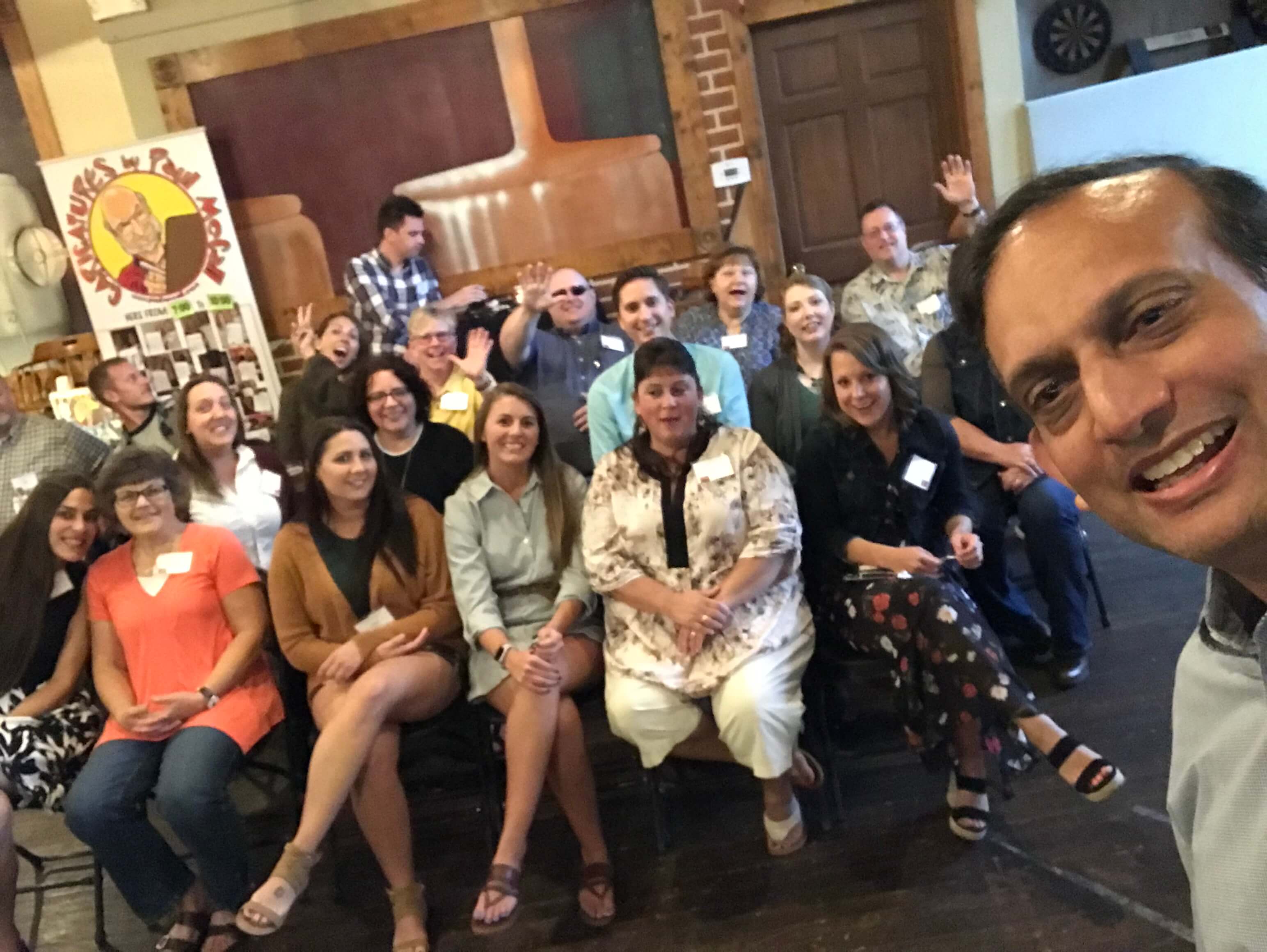
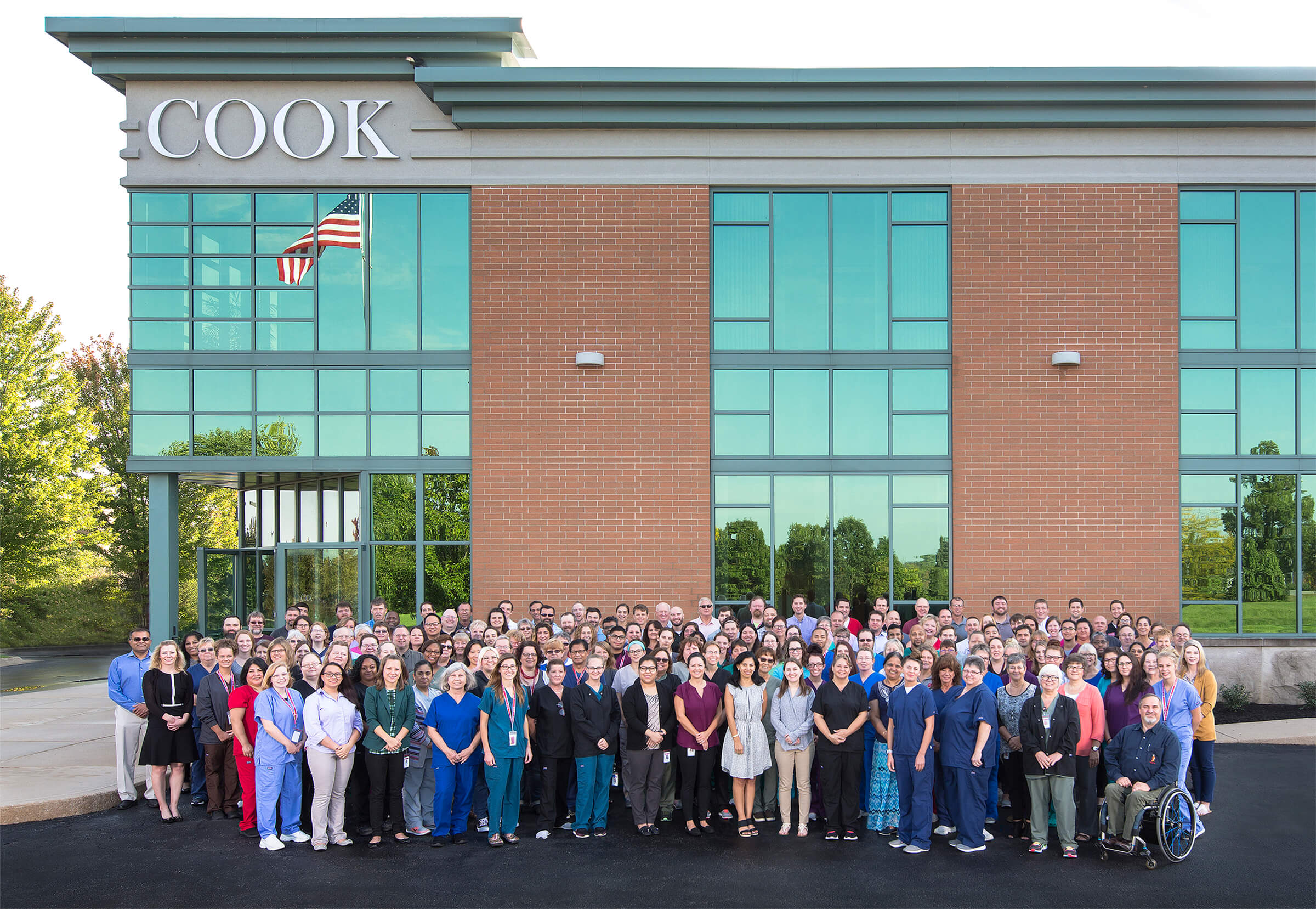
Ultimately, though, unlike 25 years ago, Biotech’s greatest asset is no longer the SIS technology. Its greatest asset is now a talented team of over 200 employees who look to discover, develop, and deliver a new generation of technology platforms and products to patients worldwide.
For more fun
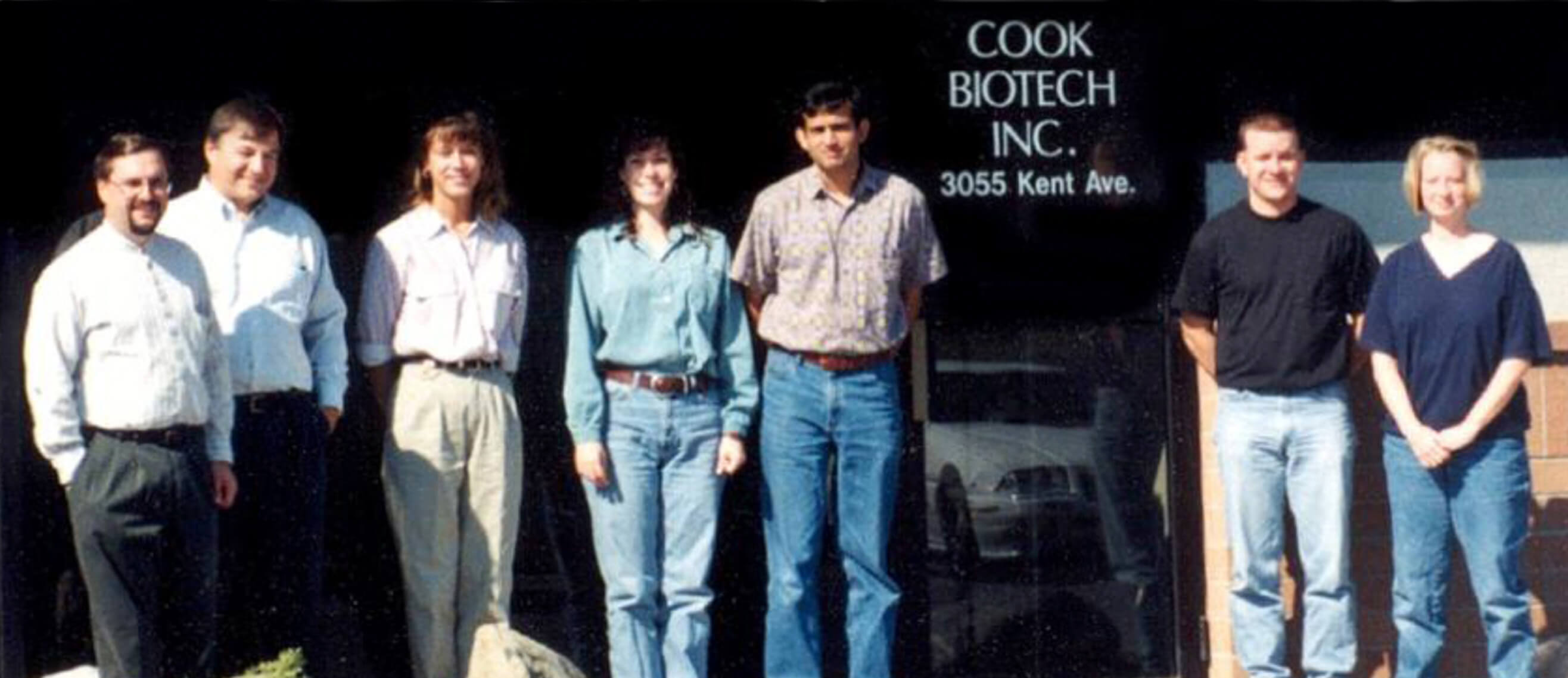
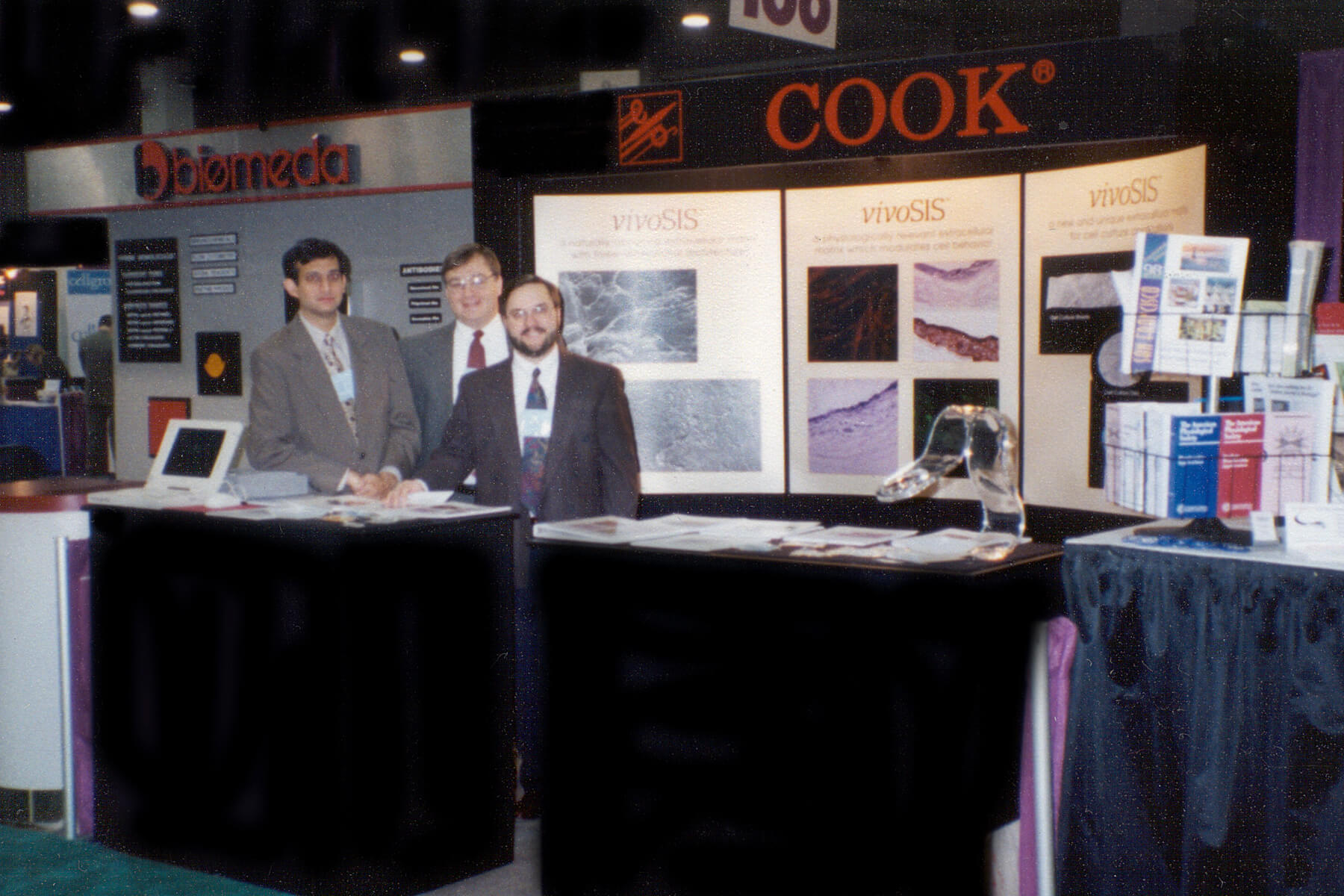
Below, you can listen to Umesh Patel and Mike Hiles reflect on the past 25 years in the video and check out the “Through the years” photo gallery.
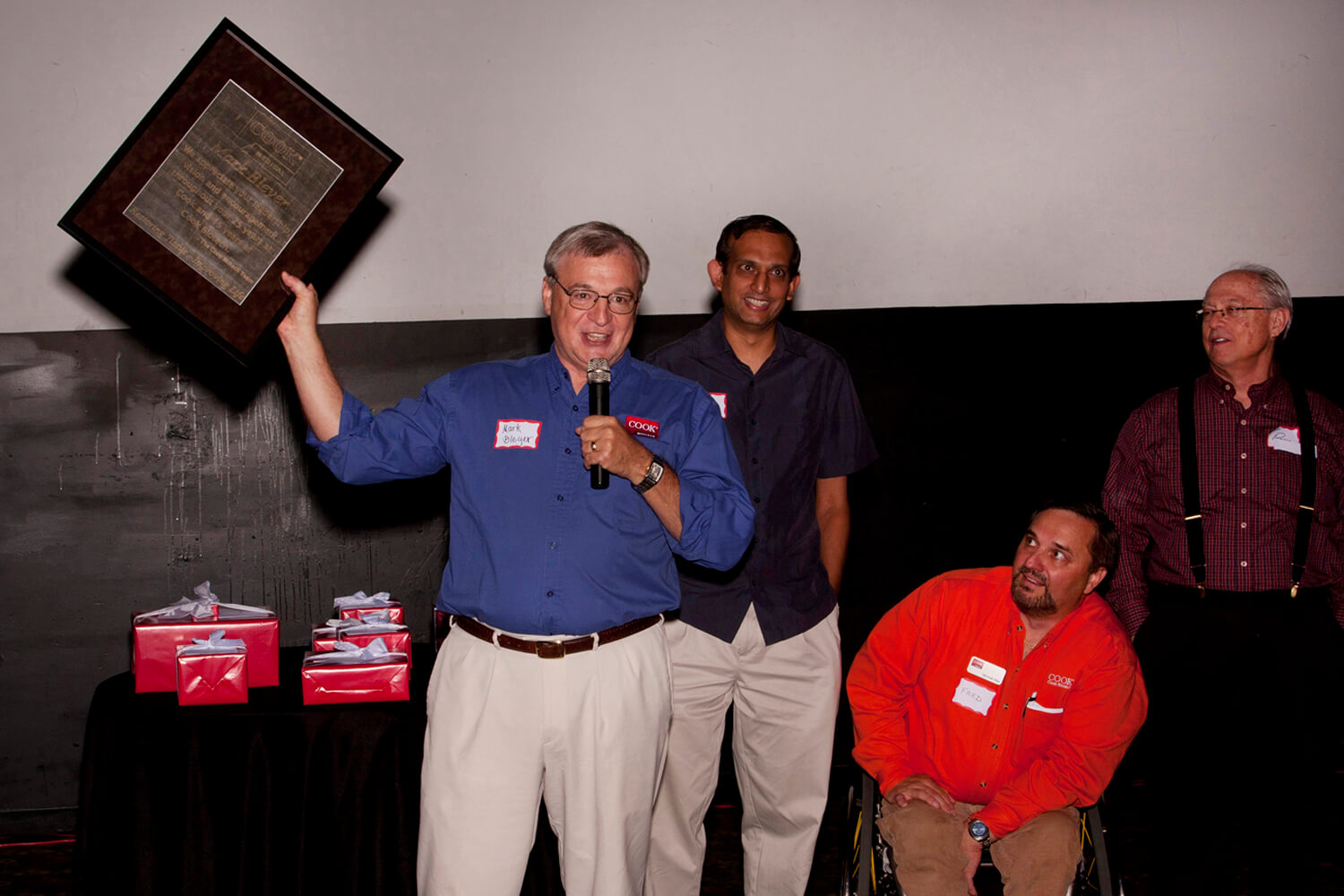

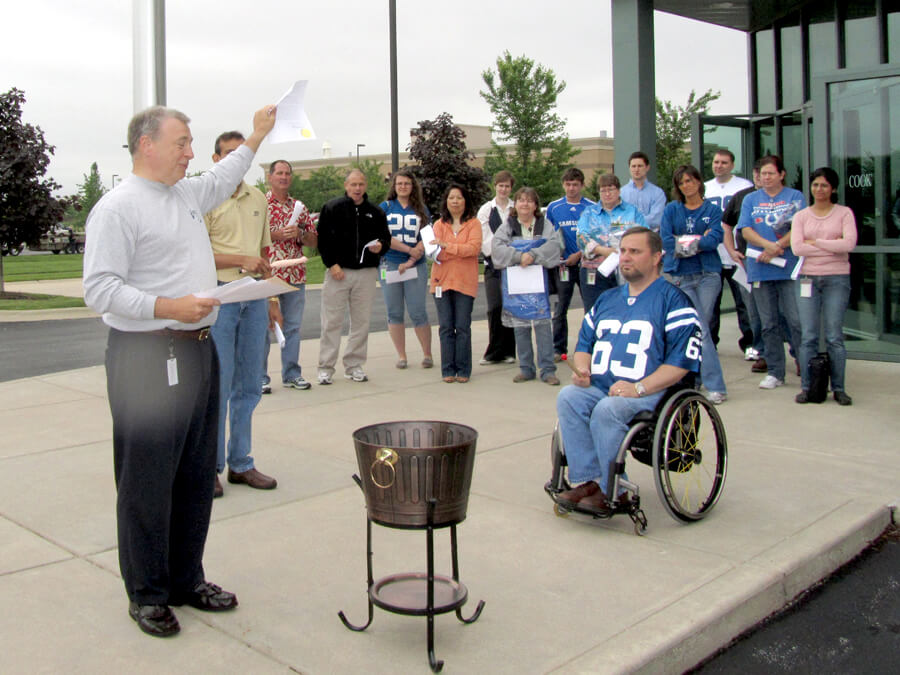
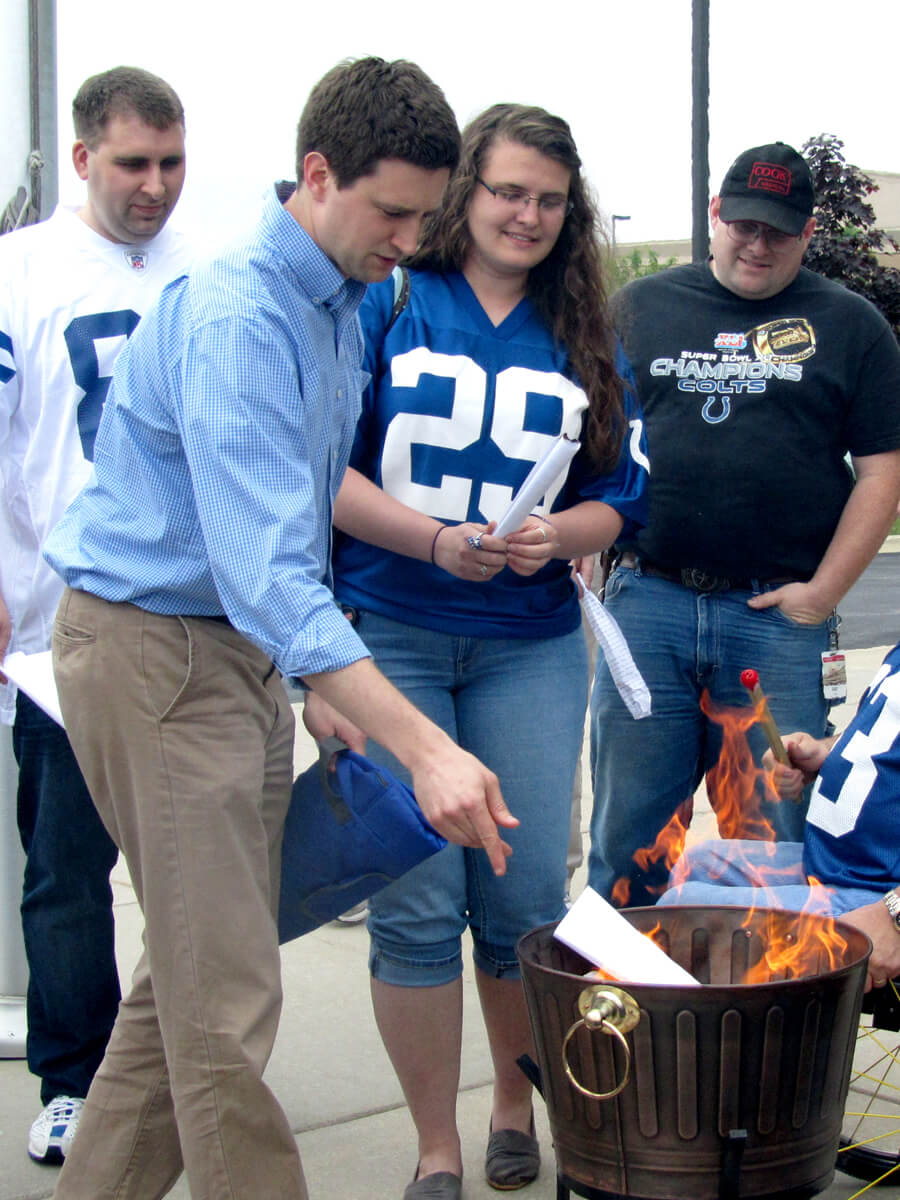
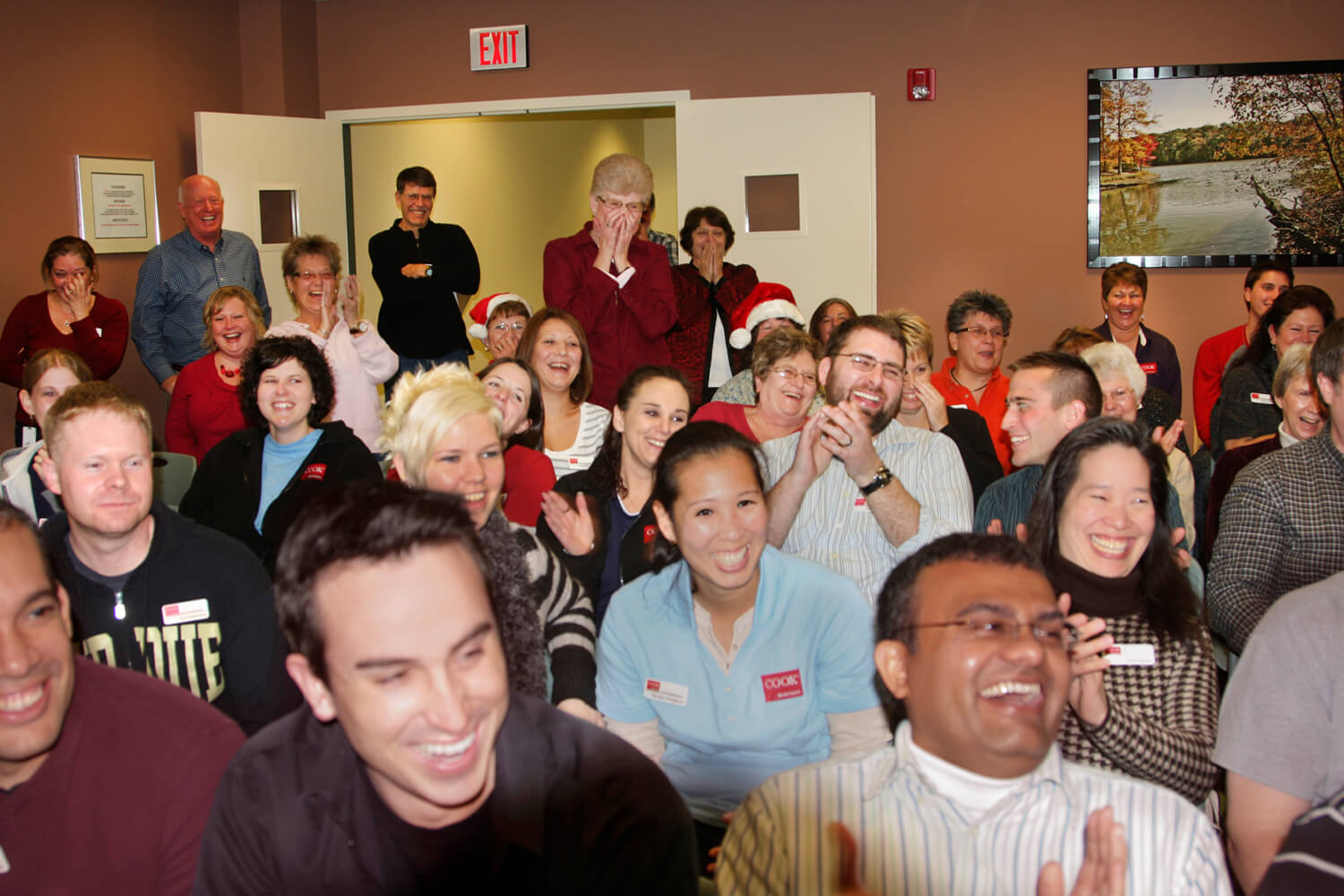

—
Want to read more stories like this?
Click the images below to check out other Life@Cook blog posts.

Congratulations to all of our colleagues at Cook Biotech! Here’s to the next 25 years!
Congratulations Umesh, Mike and entire CBI team!! Is a great milestone to celebrate. I have enjoyed the collaborations during this journey to serve more patients within OHNS. Thank you for your friendship, humor (Mike’s puns), and continued innovative thinking….
Great Cook Biotech! Congratulations on first 25 years
Congratulations Umesh, Mike and everyone at Cook Biotech.. A wonderful achievement!
Jodie
Congratulations Umesh and Biotech Team!
Congratulations Umesh and team on this fantastic milestone!
Congratulations Cook Biotech on 25 years and — WOW, hard to believe it has been 25 years and I remember when the company began!! As you both indicated in the video, it DOES take a TEAM to make success. Congratulations again to you and the TEAM — Here we go with the next 25 years!!
Another great Cook venture! Congrats everyone!
Congrats to the CBI Team. My first two weeks of training when I started at Cook Veterinary Products back in 1998 were with Umesh Patel, Mike Hiles, and Kevin Tepool. Great memories.
Such a Cook story – believing in the science as thats whats best for patients! I sold Biosist in 2000 when I started in Cook Vet and it was so exciting!
Congratulations Cook Biotech on 25 years! What a remarkable vision that has has helped so many, and in many ways around the world.