A real-life superhero
OHNS aims to raise awareness around head and neck cancer and dysphagia through Dale Maloney’s story
According to the Yale School of Medicine, head and neck cancer affected over 46,000 people last year.1 In addition, a study conducted in 2014 found that approximately 1 in 25 adults will experience a swallowing problem in the United States each year.2
In order to raise awareness, Cook’s Otolaryngology, Head & Neck Surgery (OHNS) specialty runs social campaigns highlighting facts and statistics during Head & Neck Cancer Awareness Month in April and Dysphagia Awareness Month in June.
We know that, often, patients who have been treated by an otolaryngologist and survived their battle with head and neck cancer can suffer from dysphagia as a result of treatment. We wanted to develop a patient story that could highlight both head and neck cancer and dysphagia. This story could then be used for our campaigns to help raise awareness of both disease states.
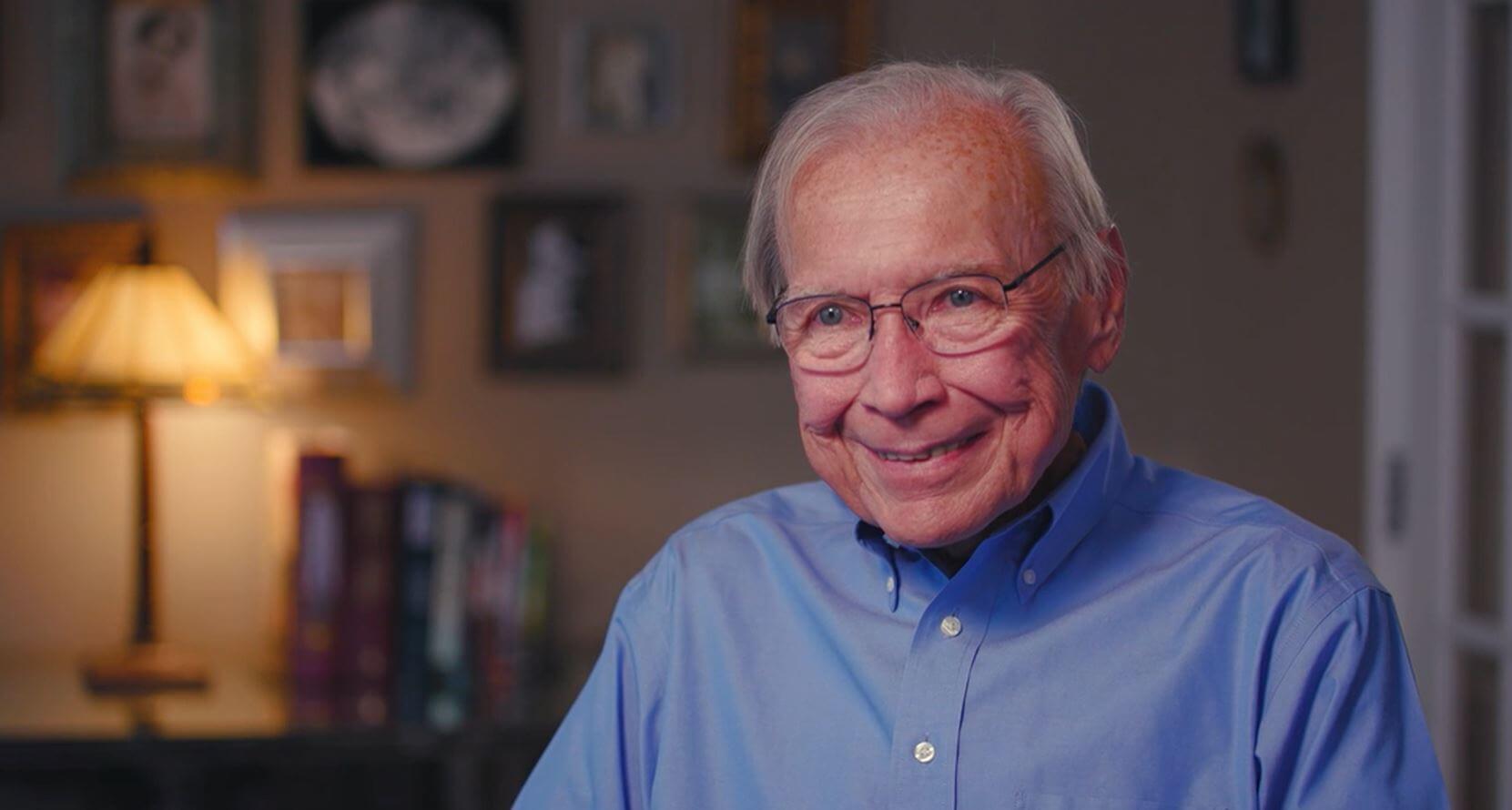
Dr. Rebecca Howell, an otolaryngologist, introduced us to Dale Maloney. He is a head and neck cancer survivor and now suffers from dysphagia as a result of the radiation that was used to treat his cancer in 1996.
“Mr. Maloney is a trailblazer,” Dr. Howell said. “He is always asking and challenging, in a wonderful way, how we can do it better, and I’ve learned a tremendous amount from working with him.”
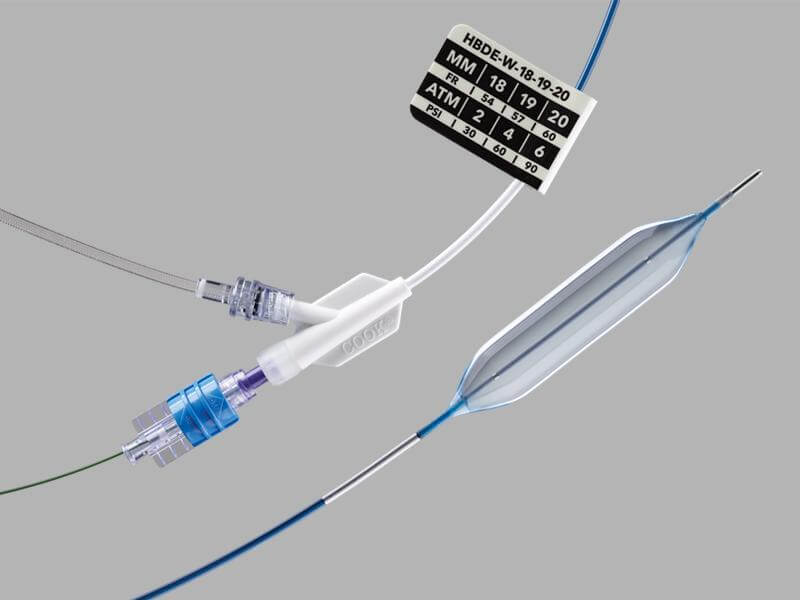
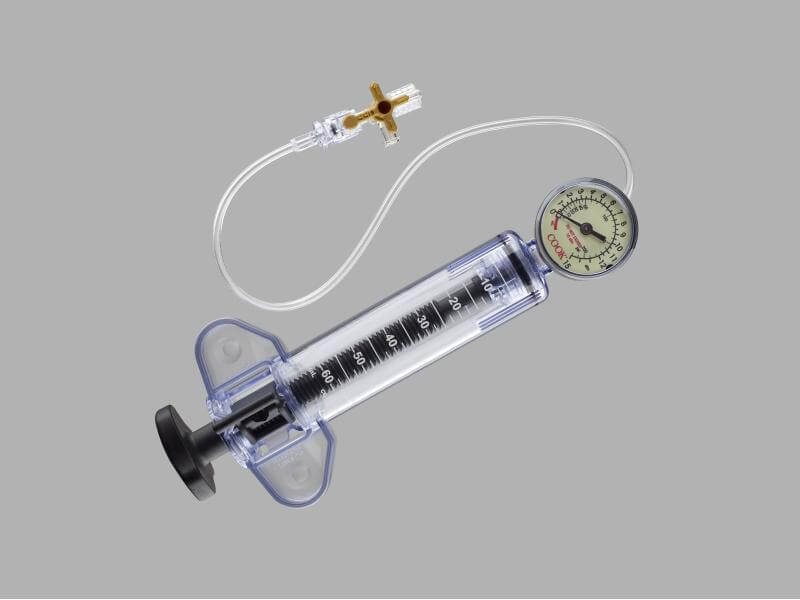
According to Global Marketing Manager for OHNS Edel Clancy, the specialty’s mission to be the go-to source for minimally invasive in-office procedures. In 2021, they launched the Hercules 100 Transnasal Esophageal Balloon, which is the first of its kind indicated for in-office use. This means that the patients can undergo the procedure under local anesthetic.
Global Product Manager Troy Wingler said that by moving this procedure into the office, the patient has fewer restrictions placed on them, and they can often get treatment much quicker than they could if they had to be scheduled into the operating room (OR). This creates less financial impact on the healthcare system and can free up OR time for other high-priority procedures.
“Meeting with Dale was the most rewarding part of the entire launch. We could see first-hand how Dale felt about moving his procedure from an OR to an office and how positive this has been for his management of dysphagia and quality of life,” Edel said.
“God makes each day for us to take and do the best we can, and I try to live that way and I’m very happy with my life,” Dale said. “I couldn’t be more blessed.”
- Doerr A. Head and neck cancer: five things you need to know. Yale School of Medicine Web site. https://medicine.yale.edu/news-article/head-and-neck-cancer-five-things-you-need-to-know/. Published on April 6, 2021.
- Bhattacharyya N. The prevalence of dysphagia among adults in the United States. Otolaryngol Head Neck Surg. 2014;151(5):765–769. doi: 10.1177/0194599814549156. Epub 2014 Sep 5. PMID: 25193514.
To learn more about Dale’s story, watch the video below.
For more stories
Want to check out more Life@Cook blog stories? Click the images below.
What a beautiful story! Lovely to see his big smile at the end! 🙂
Lovely story for you guys to share. OHNS does amazing work. Miss you all 🙂
Thank you, Sarah :)! We miss you too!!
Best advice: Be proactive about your health! Thanks for sharing this.
Beautiful story on how Cook can improve quality of life, thanks for sharing.
Dale is an inspiration! Keep educating us how to improve. Thank you for sharing the story!
Amazing story! This is why we do what we do!
thank you for sharing this wonderful story!
Amazing Story
Agreed, what a great story. Thank you for sharing this!
Wow what a great story Edel & Troy!! Thanks for sharing!!
Thanks Melissa 🙂
Edel and Troy, This patient testimonial is fantastic. I thought I knew the value this product brings to patients, but it was all theoretical. This type of video brings the true value to life. Very impactful. I am sure the production teams making the Hercules will take great pride in seeing this success story. Great work!
Thanks so much, Roxanne!
What a heart warming story – it’s what we are all about here at Cook!