Unexpected lessons from a misspent youth
Reflections on the occasion of the 800th Anniversary of Magna Carta
I say “misspent” because there were probably better things to do than watch cartoons, the kind my friends and I still like to quote: The Rocky and Bullwinkle Show, Looney Tunes’ characters Bugs Bunny and Foghorn Leghorn (Cook engineer Greg Blum’s favorite), The Quick Draw McGraw Show, and Disney’s Robin Hood. I am not the only one who loved these shows. British Actor Hugh Laurie (who played Dr. House on the long running U.S. television series “House”) attributed his realistic American accent to his misspent youth watching American cartoons. The skill Mr. Laurie acquired was infinitely more marketable than mine, but I have had a good time over the years.
In all honesty, I also did a lot of those “better things,” such as read National Geographic magazine and the books they published like The Age of Chivalry, which also had a major impact on me. But I am amazed at what I learned from cartoons that stuck with me over the years, including an appreciation for opera from Bugs Bunny and a love of history from the likes of Sherman and Peabody. From Disney’s Robin Hood I learned about Medieval England and the historical and the cultural context (in a way) of the signing of Magna Carta.
A common thread or a series of coincidences…
Even after those early cartoon watching days, it seems I kept running into the Magna Carta theme on a surprisingly regular basis, sometimes in movies or books I came across. Once I visited the Cloisters Collection, part of the Metropolitan Museum of Art in New York, only to see the carved, crowned heads of King John’s parents gazing down from the stone capital of an archway.
Years later, I went to the British Museum in London planning to see the Rosetta Stone and a copy of one of the versions of Magna Carta. Oddly, my friend and I actually got locked inside the museum for an hour and a half during a lockdown caused by some museum guests attempting a robbery (but that’s another story altogether). I was able to spend all of two minutes looking at the great charter.
And then there was law school, where the discussion of Magna Carta took on a whole new meaning for me.
…that led to this opportunity
Fast forward to late last year: I received a call from a former student of mine, asking if I could speak at an Indiana Bar Association seminar about Magna Carta and the Rule of Law, and what that meant from a corporate perspective around the world. I was able to accept because of all I had learned about Magna Carta and history over the years, cartoons and all. So I found myself sitting in the chair of the first woman to serve as Chief Justice of the Indiana Supreme Court, thinking back on all those hours in front of the TV!
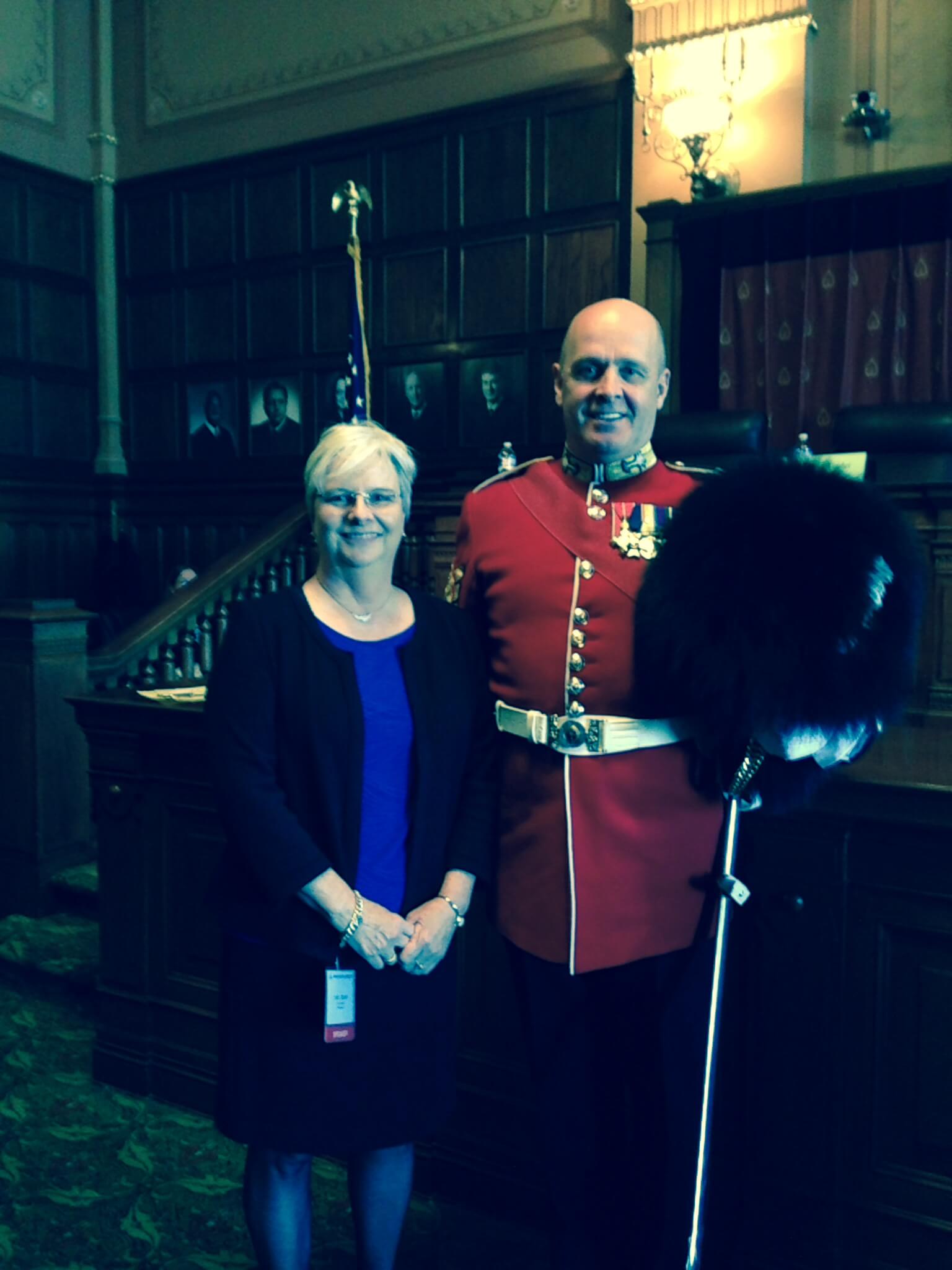
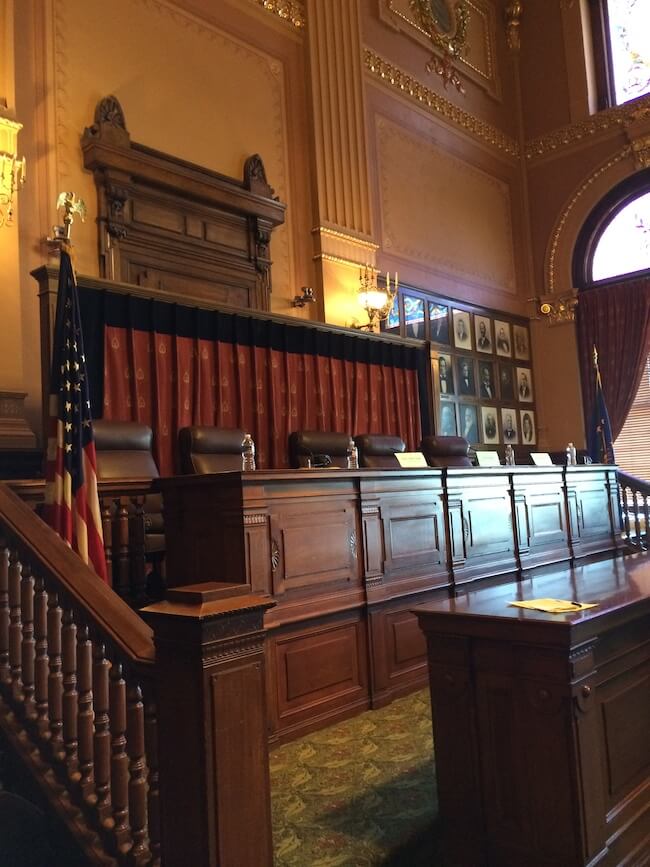
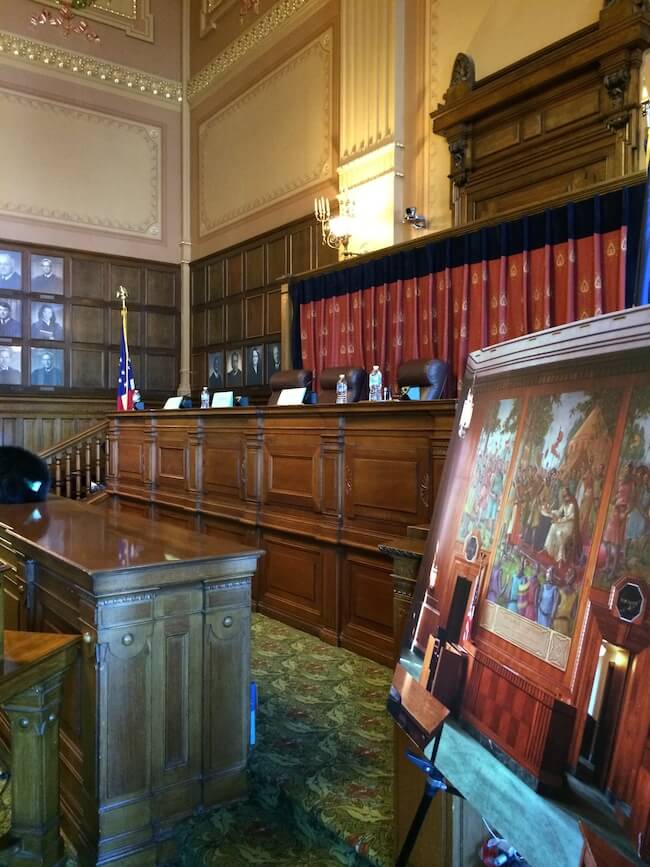
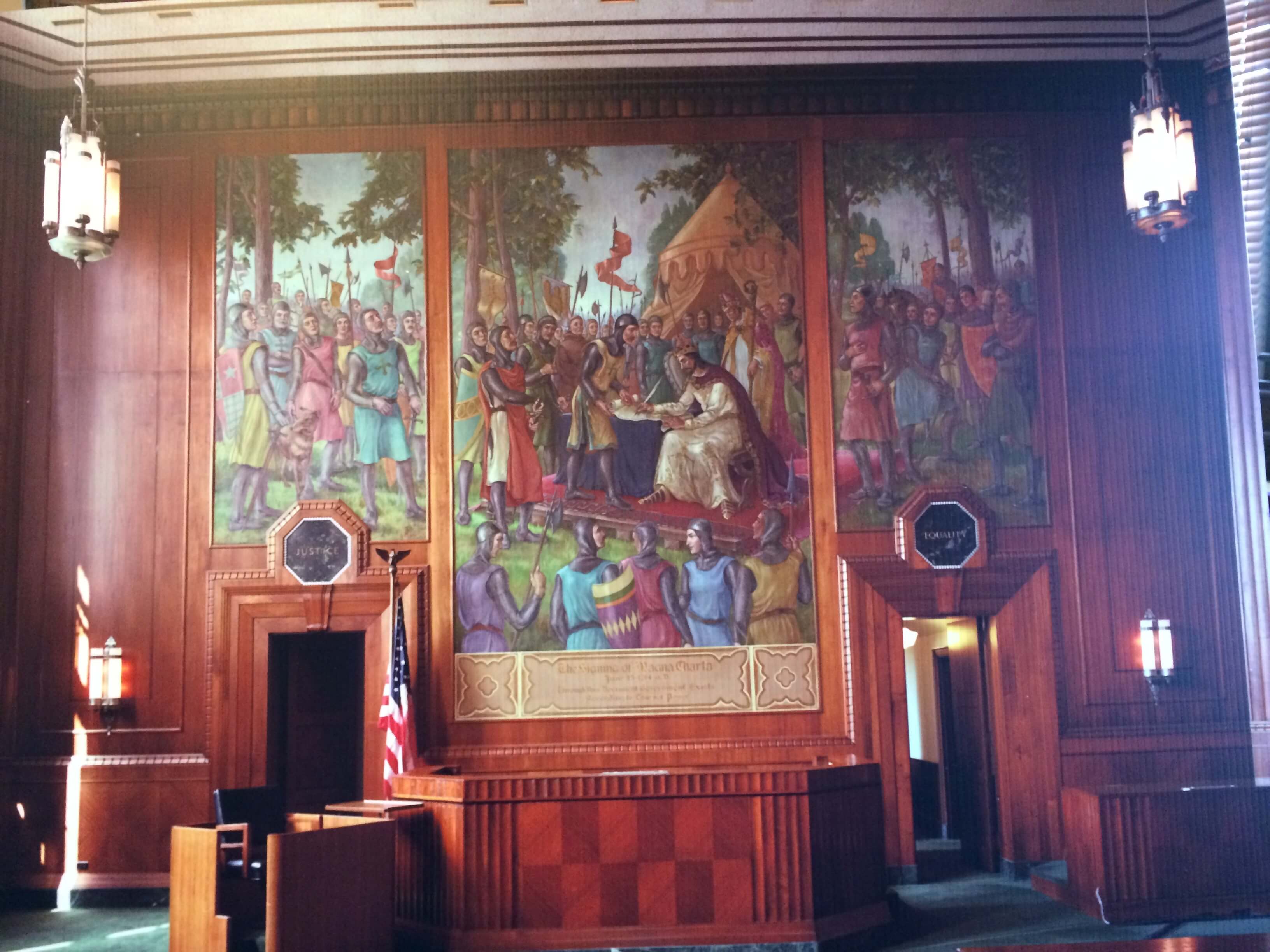
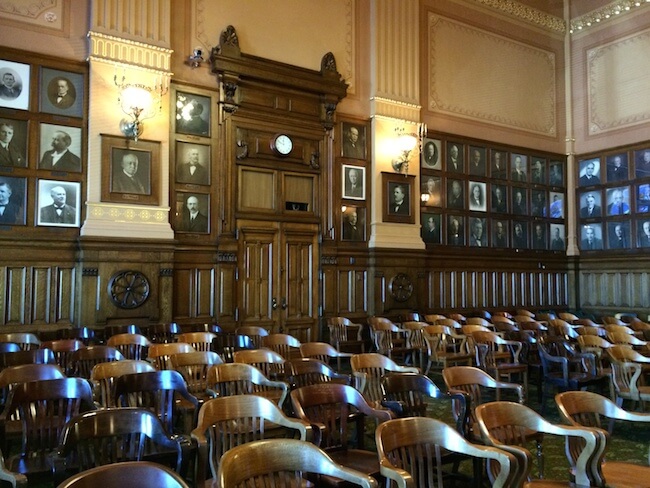
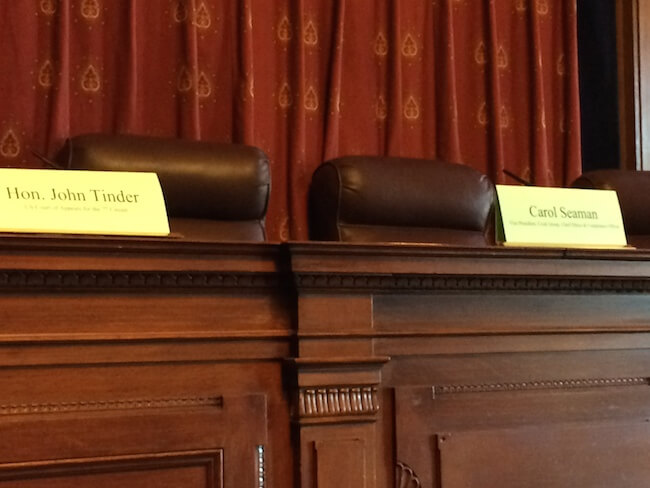
So now, on June 15, 2015, the 800th anniversary of the signing of Magna Carta, I am sharing the following ten things in case you like to be prepared for trivia questions; you share my enthusiasm for history, justice, cartoons, and old movies; or you would like a terrific excuse for a party or a new place to vacation.
Ten Things You Need to Know about Magna Carta
1. What is Magna Carta?
Magna Carta was essentially a treaty or agreement between King John of England and his barons. The rebellious barons were so fed up with the King’s particularly cruel and random ways that they even captured the town of London. King John had already distinguished himself as a terrible ruler when, as Prince John, he tried to usurp his brother King Richard’s throne while Richard was away fighting. (This is the Prince John, the phony King of England they sing about in the Disney movie I mentioned and probably the reason no British king since has ever taken the name John, including the newest heir to the throne.) By the year 1215, the barons demanded that the King put his seal on a charter agreeing to follow the law of the land and basically treat people fairly (among other issues that mattered to the barons but were hard for anyone else to understand). The King had no choice, really, if there was to be peace.
This agreement between the King and the barons, which didn’t last long because King John talked the pope into annulling the charter, was meant to remedy the baron’s exasperation at the King’s behavior toward them and not necessarily to launch a Magna Carta for all times and all people. The document reflected the culture of the day, which was profound in its overt discrimination of Jews and most women. Surprisingly, it did give aristocratic women options that they did not have before, such as owning property and choosing to not remarry if their husband died. It was only later versions of the charter, when it was reissued by young Henry III (John’s son) in 1225 and again in 1297 and 1300, that included more progressive ideas of equality and human rights. Yet only three clauses actually remain in British law.
2. What does “Magna Carta” mean?
[Nota Bene: It is important to know that it is considered incorrect in Great Britain to put “the” before Magna Carta. Also, there is no Latin translation for “the.” There is a similar rule, probably not British, about referencing FDA, not “the FDA.” Otherwise, everything written after that faux pas seems intellectually suspect. That is especially not a good approach with an FDA submission.]
Magna Carta means “Great Charter” in Latin. The whole document is in Latin. Medieval Latin. However, the people it affected either spoke French or English.
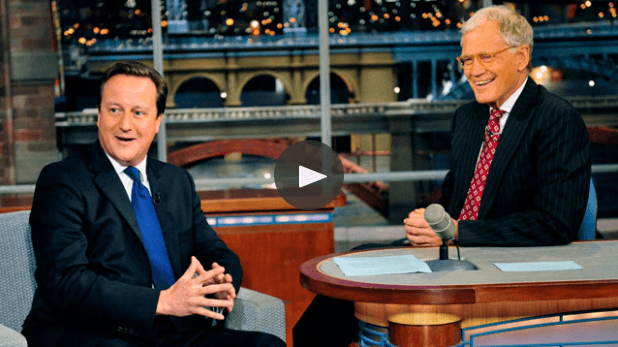
See the link below entitled “David Cameron (British Prime Minister) Struggles in Mock Citizenship test on David Letterman’s late Show” in 2012.
3. Who wrote Magna Carta?
The Archbishop of Canterbury Stephen Langton is believed to have written the 1215 charter, although the barons negotiated what was to be said. That explains the Latin.
4. Who was Eleanor of Aquitaine?
She was the mother of King John. Eleanor was first the wife of a French king and owned A LOT of French property. Upon the annulment of that first marriage, she kept the property when she married Henry II in England, who was twelve years her junior. She and Henry had eight children, three of whom became English kings. Eleanor was powerful, highly educated, cultured, wealthy, very beautiful, and long-lived (82 years!). The story of Eleanor and Henry II is dramatized in the 1968 triple Academy Award Winning movie The Lion in Winter, in which Katherine Hepburn played Eleanor and Peter O’Toole was Henry II. Anthony Hopkins began his screen career as Richard the Lionheart in that film. Eleanor of Aquitaine is also the subject of a wonderful biography by Alison Weir published in 1999.
5. When was Magna Carta sealed?
June 15, 1215. That was 800 years ago today!
6. Where was it sealed?
The meadow in Runnymede on the banks of the Thames north of London is thought to be the location of the signing. This is an open meadow with only a monument erected by the American Bar Association. The British did not get as excited as Americans about Magna Carta mainly because it reinforced the laws they already had. However, the principles derived from the charter, especially the concept of the separation of powers to combat taxation without representation, became a rallying cry of the American Revolution and formed the basis of many of the rights established in the U.S. Constitution.

This famous Runnymede property is protected by the National Trust, just in time to keep it from becoming an apartment complex.
7. Who called Magna Carta “Magna Farta?”
Oliver Cromwell, Lord Protector (but not king), and evidently not a fan.
8. Where can I see Magna Carta now?
The Library of Congress, Washington, D.C. You can read this very funny review of the exhibit. Cook Group VP and head of the Cook engineering and architecture office George Ridgway could fill you in on his own impressions of visiting the exhibit recently.
In 1215, documents had to be written by hand. There were supposed to have been thirteen handwritten in Medieval Latin, but only four survive. Usually the original has been kept at Lincoln Cathedral, one is at Salisbury Cathedral and two in the British Library. (I finally successfully saw Magna Carta at the British Library without getting locked in.) In February, 2015, the four surviving documents were brought together for the first time at the British Library for a unification event before taking off on moving exhibits. The Lincoln Cathedral copy was on display last summer in Boston, Massachusetts, in the U.S. and now is on display in Washington D.C. at the Library of Congress.
9. What is the Rule of Law and what does the Rule of Law mean to Cook?
In his speech in Boston last summer, U.S. Supreme Court Chief Justice John Roberts recognized the idea that the barons at Runnymede were supporting their own interests with concepts of fairness “that spoke to broader issues of governance.” The concepts are included in many documents, including the Universal Declaration of Human Rights. The World Justice Project defines the Rule of Law and these “broader issues of governance” in an expanded way in what they call Four Universal Principles, summarized here:
- No government, nobody, and no entity is above the law.
- Laws should be just, clear, publicized, applied evenly, protect fundamental rights, including security of persons and property.
- Laws should be enacted, administered and enforced through accessible, fair, and efficient process.
- Justice should be delivered timely by competent, ethical and independent representatives and neutrals who are of sufficient number, have adequate resources, and reflect the makeup of the communities they serve.
These principles are reflected in concepts of due process, separation of powers, speedy trials, trial by jury, and the right of habeas corpus (freedom from unlawful imprisonment.)
There are obvious benefits of the rule of law for a business like Cook. The key word is stability. The four principles above provide the stability to do business and all that business entails—for instance, purchase and develop real estate and build manufacturing facilities, hire employees, purchase raw materials, trade with others, have contracts and intellectual property rights enforced, work with stable banks and insurance companies, all in a climate of fair competition and stable economy.
10. So, what is so enduring about this charter that people in various places around the world celebrate its 800th anniversary today?
Consider U.S. Supreme Court Chief Justice Robert’s quotes from the American Bar Celebration and the opening of a display on Magna Carta in Boston last summer:
“We are not celebrating the antiquated relics of a time long past. Instead, we are referring to a small collection of provisions that express kernels of transcendent significance.”
Whether King John and the barons knew it or not, the events of 800 years ago marked the commencement of a major undertaking in human history. We mark the 800th anniversary of Magna Carta because it laid the foundation for the ascent of liberty. We celebrate not so much what happened 800 years ago, but what has transpired since that time.”
Much has been written about the myth of Magna Carta and how people romanticize it and get too much from that simple old document. Yet the story of Magna Carta has moved people to create centuries of songs, stories, books, plays, paintings, poetry, and cartoons. (Now that I think of it, Disney’s animated story of little Dumbo, a circus elephant, has some application here, as well.)
The ideas behind Magna Carta may appear bigger than the paper it is written on, but over the ensuing 800 years, the charter inspired people in such diverse places as the American colonies, India, and South Africa. Real change was the result. It is not surprising that some people reportedly cry at exhibits of the document.
On a far less grand scale, I can attest that it inspired a kid in Fort Wayne, Indiana.
But don’t take my word for it (to quote Reading Rainbow), look at some of these resources to learn more:
- “The Rule of History” from The New Yorker.
- Icon of Liberty — website from the American Bar Association Division for Public Education
- Magna Carta 800th — commemorative website
- The British Library’s Timeline of Magna Carta
- The Cloisters at The Metropolitan Museum of Art
Super read Carol – really enjoyed it! Unfortunately my main cartoon diet was Roadrunner whose dialogue was pretty limited – the odd Beep, Beep so I didn’t learn a lot but perhaps Wile E Coyote’s fantastic contraptions inspired a budding engineer! Had the good fortune to visit Independence Hall in Philly recently on a stopover and got to see the room where the Declaration of Independence and US Constitution were debated and proclaimed. Our tour guide referenced the Magna Carta and thanks to you I able to nod sagely in agreement 🙂 I’m still trying to figure out why they ordered the bell from London though!?
Ha! I watched the Roadrunner, too. Any time I need a fictitious name for a corporation in a hypothetical, I call it Acme, Wile E. Coyote’s favorite supplier. He wasn’t a very good engineer, but he didn’t give up his quest. As far as I can tell, you seem to be the only person who has noted the irony in the choice of a foundry for the bell! That is a good question.
What a great story Carol.
I’m a big fan of US cartoons too. I spent many Saturday mornings glued to screen in my youth and more recently (the past 10 years) spent a lot of time introducing my daughters to every animated Disney movie plus hours of Scooby Doo, Yogi Bear and Hong Kong Phooey.
It is amazing how after 800 years that the Magna Carta continues to speak to us from Medieval England. Its message is so simplistic … no one in society is above the law: not the King nor his subjects, not the government nor the governed.
I have managed to see a copy of the Magna Carta here in Australia. Although it isn’t one of the original documents it is still magnificent. The manuscript held by the Australian Parliament is one of four surviving originals of the 1297 Inspeximus issue of Magna Carta and was sent to the Sheriff of Surrey, Robert de Glamorgan, to be proclaimed in the county court. Thereafter the location and ownership of the manuscript has been a matter for conjecture, however at some point it came into the possession of King’s School in Bruton, Somerset, where it lay undisturbed until the 1930s. It was purchased for 12 500 pounds sterling by the Australian Government in 1952 and brought to Canberra, where it has remained in the custody of the Australian Parliament. A permanent reminder for us here in Australia that the Magna Carta is the foundation stone of constitutional and parliamentary government.
Thanks for sharing I thoroughly enjoyed the read!
I enjoyed that. But we should be cautious about learning history from Disney films. If Robin Hood ever existed, he was definitely not a fox. Although I like the idea that the bad guys spoke like Peter Ustinov and Terry Thomas!
It is very nice to know that people reading this article appreciated the history topic and my attempt at humor. I knew there would be colleagues who share my love of cartoons. Thanks for taking the time to comment and to share your thoughts!
Bravo! Thank you, Carol.
Thanks Carol, what a great article!
A great reminder to us all that something that we work on and think is important today may have future implications far beyond what we ever had expected. Thanks for the educational and thought provoking blog.
Only, Carol Seaman could write a masterpiece such as this!
(and i agree with Margaret Howard..no time wasted there on the cartoons)
Wow…great article ! I continue to be a fan of the history !
Thank you Carol
Thank you, Carol, for an entertaining and informative addendum to my high school history classes. As our personal knowledge base expands, we can appreciate to a greater extent the subtleties contained within the kids’ cartoons we used to watch. The ones we grew up on were inter-generationally entertaining with creative layers of humor and innuendo, much of which went over my young head.
Beautifully and eloquently written Carol, and also wonderfully interwoven with what Cook endeavours in its daily tasks.
I’ve also just read that ‘William of Wilson’ may have been the original author/writer… Oliver Cromwell could surely have benefited from a very solid doze of ‘Bugs Bunny’ instead of being such a ‘Farto’…
I’m an Ex-South African and now a very proud Australian citizen working for Cook Medical in Brisbane. I believe it inspired Nelson Mandela to write that famous 1955 “Freedom Charter” that, in turn, inspired me and many others to break down the crumbling pillars of “Apartheid”. Perhaps it inspired Eddie MABO here in Australia too. Lets hope this Charter continues to inspire generations for another 800 years and beyond.
Great article Carol, very informative. Thank you 🙂
Thanks, Carol, for such a fscinating and humorous article! (I don’t think your youth was misspent, I loved watching the same things!)
Very interesting article. I remember learning about the Magna Carta in the early grades. I wonder if it is still taught in the schools today. If anyone has young children, perhaps you can ask and leave a reply.
Great article Carol. A history lesson and smiling – at the same time! Thank you.
Carol, I was waiting for a Peabody and Sherman reference!
That was fascinating! Thanks for sharing.
Thank you Carol. What an interesting article. Great history lesson we all need.
cool article Carol- thanks!
i love this kind of history
especially when i can get a little nugget like this right from my desk
happy anniversary Great Charter!!
Great post Carol! Thank you for sharing.
haha…magna farta 😉
Great article. I knew very little about the document. Thanks for sharing
Great article. Thank you, Carol.
What an excellent read from a woman who is living an exceptional life!