When less means more for our patients
Just a few days after the launch of the Resonance® Metallic Ureteral Stent in Japan in December 2014, rep Tatsuya Yoshihara had the first sale. The next milestone came just over a year later on January 29, 2016, when Hirotaka Ueda sold the 1,000th stent. To truly understand the significance of this accomplishment, you have to know the stent’s backstory and the collaborative effort that went into the launch.
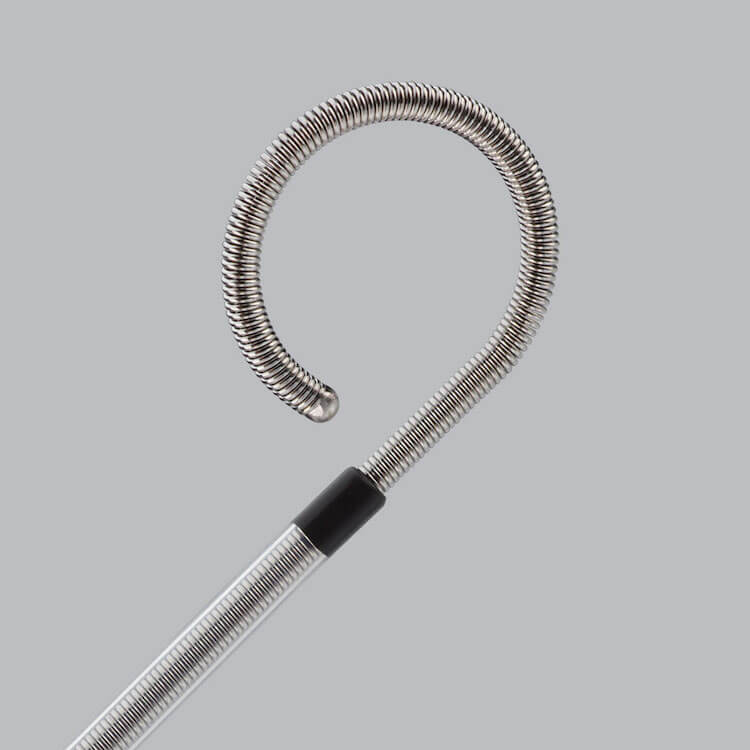
About 10 years ago, as development of the Resonance stent’s began, we recognized that frequent stent exchange can have an adverse effect on patients, especially those with extrinsic ureteral obstruction—a blockage within the ureter caused by organs and diseases pressing against the ureter. With that in mind, our goal was simple: Create a product that can reduce the number of stent changes. We proceeded to manufacture the Resonance stent with the understanding that it may be placed less frequently.
This animation shows how the product is placed.
[brightcove 1064100162001]So, while 1,000 stents sold may not seem like a lot, it is a milestone we wanted to share because of the implications it has for the patients we serve. Each Resonance stent that is placed equates to fewer stent exchange procedures for that patient. And that’s worth celebrating—not because we achieved a sales goal, but because we know we’re making a difference one stent at a time.
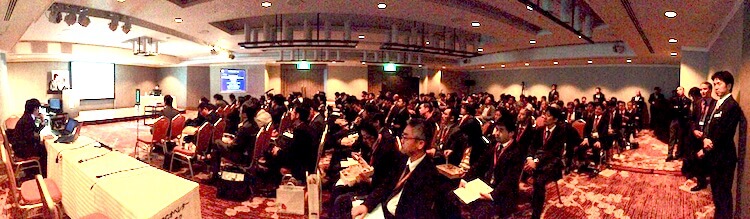
“The success really came from a collaboration of colleagues from different departments across continents, gathering their expertise and dedication to the launch and continuing efforts for promoting the Resonance stent in Japan,”” said Gary Ong, Urology’s sales and marketing manager for the Asia-Pacific (APAC) region.
From the outset, the Japan team was in the field, engaging with physicians. This meant meeting with customers to understand their procedure needs and their patients’ needs, attending as many stent placement procedures as we could, and following up with physicians afterwards.
“We believe these efforts demonstrate to our customers that we are committed to working with them as a partner to help improve patient outcomes,”” said Akito Ito, regional manager of Urology for Japan and Korea.
Please join us in congratulating the Japan team on this milestone. We look forward to their continued success.
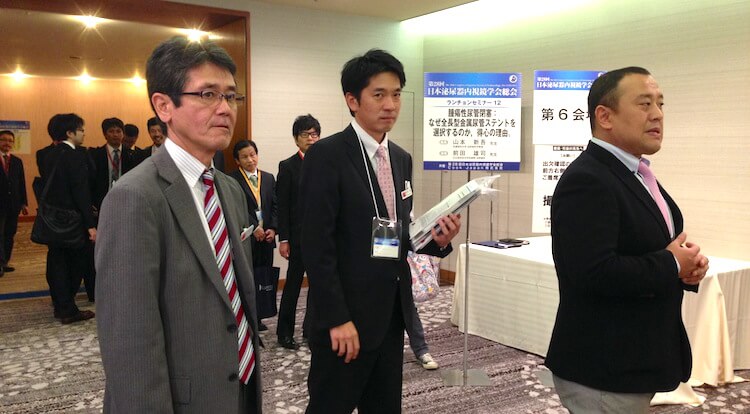
Contratulations all urology’s team!!
A great story on the appropriate use of a product that provides value to the patient. It illustrates the changes in medicine where doing more is not always better but less interventions actually provide a better outcome for the patient. Well done and congratulations to the Urology team.
A great product, and a great collaborative effort from our Japan team to make this available to more patients! Well done!